
Smart Garden Maintenance Tips for Fall That Help Your Landscape Thrive Through Winter and Beyond
As the days grow shorter and temperatures begin to drop, your landscape enters a transition period that sets the stage for next year’s growth. Taking the time to implement the right garden maintenance tips for fall can protect your plants through the colder months and give them a strong start when spring arrives. From pruning to mulching to soil preparation, fall is the ideal time to clean up, assess, and invest in your garden’s long-term health.
If you’d like expert support preparing your garden for the seasons ahead, Borst Landscape & Design offers professional garden maintenance services that ensure your landscape stays beautiful and functional year-round. Call (201) 822-9327 to schedule a consultation.
Why Fall Garden Maintenance Matters
Many homeowners focus on spring as the main season for landscaping tasks, but fall is just as important—if not more so—for certain types of care. Plants are entering dormancy, soil conditions are changing, and cooler weather provides an opportunity to do work without stressing vegetation.
Proper fall maintenance helps to:
- Prevent pest and disease issues
- Protect plant roots from winter damage
- Improve soil structure and fertility
- Encourage stronger blooms and growth in spring
- Maintain tidy, safe, and visually appealing outdoor spaces
Neglecting fall tasks can lead to a messy garden come spring—and potentially more time and money spent correcting avoidable problems.
Start With a Garden Clean-Up
The first step in fall maintenance is clearing out what’s no longer serving your landscape. Removing spent plant material, weeds, and debris keeps pests and fungi from overwintering in your garden beds.
Key tasks include:
- Cutting back perennials that have finished blooming
- Removing dead or diseased plants
- Raking leaves off lawns and beds (or composting them)
- Pulling out summer annuals that won’t survive frost
Focus on keeping your beds clean, but don’t go overboard. Some seed heads and ornamental grasses can be left standing for winter interest and wildlife support.
Mulch to Insulate and Protect
Adding mulch is one of the most effective garden maintenance tips for fall. A fresh layer of organic mulch protects plant roots from temperature swings, retains moisture, and suppresses winter weeds.
Best practices for fall mulching:
- Use shredded bark, leaves, or straw for organic options
- Apply 2–3 inches evenly, but avoid piling it against stems or trunks
- Mulch after the first hard frost for perennials, or earlier for new plantings
Mulching also improves soil quality as it breaks down over time, adding organic matter and supporting soil microbes through winter.
Prune With Care
Fall pruning is a bit of a balancing act. While some plants benefit from a tidy cutback, others should be left alone until spring. Pruning the wrong species at the wrong time can interfere with flowering or encourage new growth just before a freeze.
What to prune in fall:
- Dead, damaged, or diseased branches on shrubs and trees
- Herbaceous perennials that flop or harbor pests
- Non-blooming hedges for shape and structure
What to avoid pruning:
- Spring-flowering shrubs (like lilacs and azaleas)—these set buds in fall
- Tender or marginal plants—wait until after winter to assess any damage
Use clean, sharp tools and disinfect between cuts to prevent disease spread.
Divide and Transplant Perennials
Fall is an excellent time to divide overcrowded perennials or move plants to better locations. Cooler temperatures reduce transplant shock, and roots have time to establish before the ground freezes.
Perennials that respond well to fall division:
- Daylilies
- Hostas
- Irises
- Coneflowers
- Bee balm
Water well after dividing and consider adding compost or mulch around the transplant site to encourage strong root development.
Feed the Soil
Your plants may be going dormant, but your soil is still active. Feeding it in fall improves structure, nutrient availability, and biological activity—all of which support healthier growth in spring.
Tips for fall soil care:
- Apply compost to garden beds and around shrubs
- Top-dress lawns with organic matter
- Consider a soil test to assess pH and nutrient levels
- Avoid high-nitrogen fertilizers that stimulate growth too late in the season
Soil health is the cornerstone of any successful garden, and fall is an ideal time to improve it without disturbing active plant growth.
Plant Spring Bulbs and Cool-Season Additions
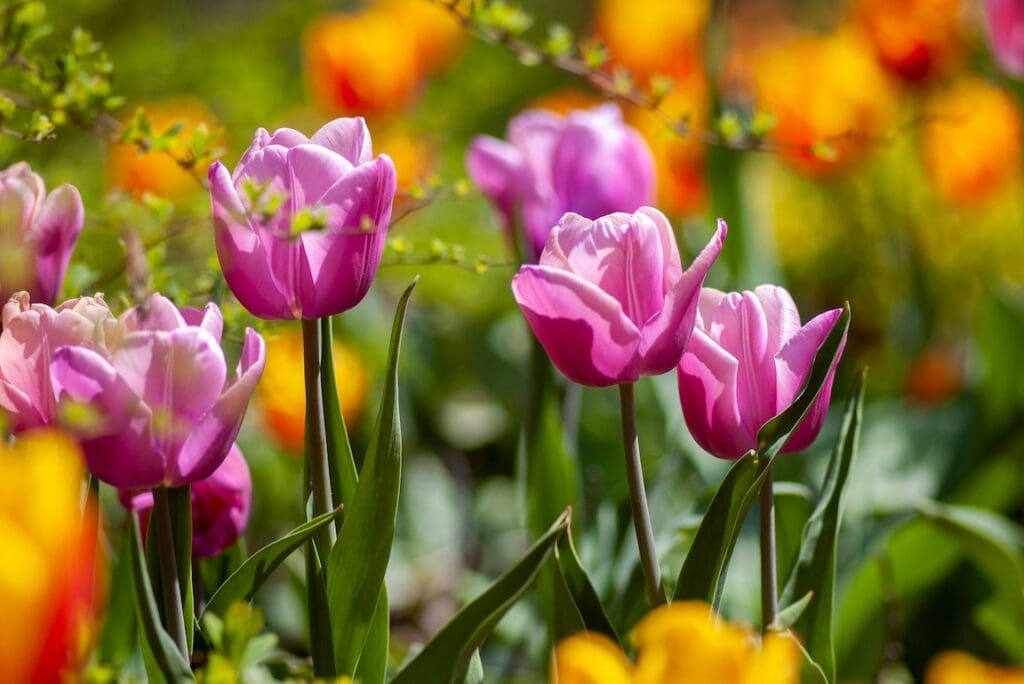
If you want a colorful start to spring, fall is the time to plant spring-flowering bulbs like tulips, daffodils, crocuses, and hyacinths. These bulbs need a period of cold dormancy to bloom properly.
Fall planting tips:
- Choose firm, healthy bulbs
- Plant at a depth 2–3 times the bulb’s height
- Ensure good drainage and sunny locations
- Water after planting and cover with mulch if needed
Fall is also a good time to plant cool-season vegetables, ornamental kale, pansies, and other fall-friendly annuals.
Prepare for Wildlife and Winter Protection
As you tidy up your garden, consider the animals and beneficial insects that rely on your landscape. You can support local ecosystems while still maintaining a clean, healthy garden.
Wildlife-friendly fall practices:
- Leave some seed heads for birds
- Avoid removing all leaf litter in wooded or out-of-the-way areas
- Add brush piles or log sections as habitat
To protect your own plants, consider using burlap wraps or plant covers for vulnerable shrubs, and mark young trees with stakes to prevent snow damage or animal chewing.
Check Hardscapes and Drainage
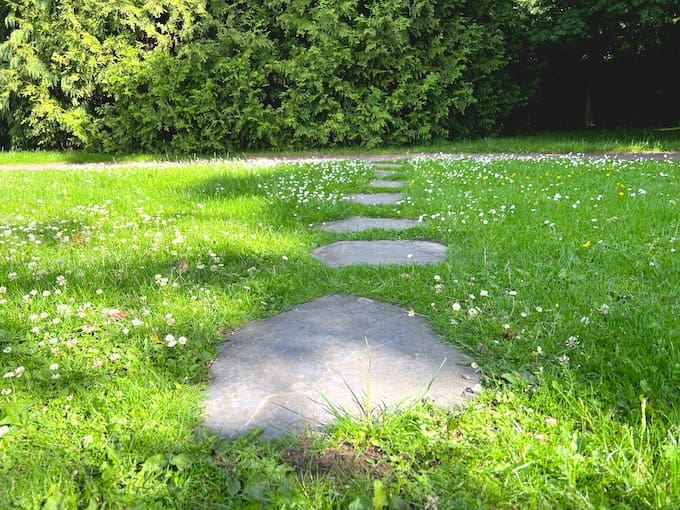
Fall is the perfect time to assess your landscape’s structural features. Cracked pathways, misaligned borders, or blocked drainage can worsen over winter and be harder to fix later.
Inspect and maintain:
- Patios, retaining walls, and walkways
- Gutter downspouts and yard drainage areas
- Irrigation systems (blow them out before freezing temperatures)
- Raised beds and edging for signs of wear
Addressing these elements now helps you avoid costly repairs and ensures your garden remains both beautiful and functional.
Make a Plan for Spring
Before winter settles in, take stock of what worked in your garden this year and what didn’t. Fall is the best time to make notes for spring improvements while the season’s successes and challenges are fresh in your mind.
Consider recording:
- Which plants thrived or struggled
- Areas that felt overcrowded or underused
- Bloom times and color combinations you enjoyed
- Ideas for adding native plants or reducing maintenance
A little reflection now makes for more informed choices—and a better-looking garden—next year.
Fall Garden Care Sets the Stage for Spring Success
The effort you put into fall garden maintenance can make a huge difference when spring returns. From protecting plant roots and improving soil to pruning, planting, and preparing hardscapes, each task plays a role in your garden’s long-term health and beauty. These garden maintenance tips for fall aren’t just about cleanup—they’re about investing in the future of your landscape.
To ensure your fall garden work is done right—or to take the seasonal stress off your plate—call (201) 822-9327 or contact Borst Landscape & Design. Our experienced team can help you protect your garden and set it up for a vibrant return in spring.