
TL;DR
While mulch offers many benefits for garden beds and plant roots, you should not apply it in certain areas: avoid piling mulch up against tree and shrub trunks, placing it in low‑lying soggy spots, or bordering it right next to building foundations and fences. In these spots, mulch can trap moisture, invite pests, or lead to root and structural issues
Where shouldyou not put mulch? Maximize your garden’s potential by understanding this fundamental question.
If you’re an avid gardener or enjoy caring for your landscaping, you may already know the benefits of using mulch in your yard. It’s a fantastic way to enrich the soil, reduce weeds, and retain moisture in your garden.
Where should you not put mulch? In this article, we’ll look at some everyday things to avoid while mulching and why keeping certain areas clear is essential. That way, you can avoid potential mistakes and make sure your plants get exactly what they need.
Borst Landscape & Designhas been helping homeowners create beautiful, healthy gardens for over 30 years. We know mulching is essential to any landscaping plan, so we offer mulching servicesto suit your needs. Your property will look fantastic, and your plants will be happy. Trust us to give your yard the boost it deserves!
Call us at (201) 581-8076for your free consultation, or fill out acontact formon our website today.
Where should you put mulch?
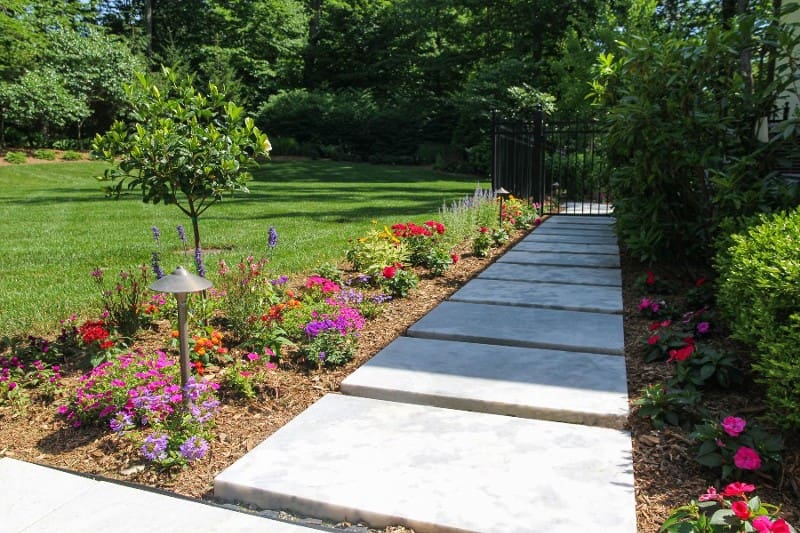
Mulching is an easy and cost-effective way to improve the health and appearance of your garden or yard while minimizing maintenance requirements. It’s a good idea to put mulch around the base of your plants to help retain moisture, reduce weed growth, regulate soil temperature, and protect roots. Another excellent place to put mulch is in areas where you don’t want grass or other weeds to grow, such as walkways or around the edges of garden beds.
Where should you not put mulch?
We know mulching can do wonders for improving the health of your garden, yard, or landscape. It’s an essential part of any garden or flower bed. However, you may still ask, where should you not put mulch?
It’s important to be mindful of where you add mulch. Mulching in the wrong place can have unintended consequences. By being aware, you can ensure that it provides all intended benefits without causing unintentional harm.
- You’ll want to avoid placing mulch directly against the base of trees or shrubs. This creates a favorable environment for pests and diseases, which can damage or kill your plants. Besides, the mulch can trap moisture against the base of the plant, which can cause rot or decay. Instead, create a small gap between the plant and the mulch to allow air circulation.
- Avoid placing mulch in low-lying areas or areas that tend to collect water. Mulch absorbs and retains moisture, leading to waterlogged soil and root rot. Although this is a spot where you should not put mulch, sometimes your garden has conflicting needs. If you must place mulch in these areas, choose a well-draining mulch and avoid piling it too high.
- Finally, be careful when placing mulch near structures such as buildings, fences, or walls. Mulch can attract termites, which can then move on to the wood in these structures and cause damage. To avoid this, keep the mulch at least a few feet away from structures.
Leave mulching to the pros at Borst
To give your garden or landscape a fresh and polished appearance, look no further than Borst Landscape & Design. Not only does mulch add aesthetic value to your property, but it also provides numerous benefits to your plants and soil. Our team of landscapers will take care of everything, so you don’t have to wonder where should you not put mulch. Reach out for more information about our servicesand to schedule your free consultation.
Call us at (201) 581-8076, or complete an onlinecontact formtoday!
FAQs
Q1: Why shouldn’t I put mulch directly against the base of a tree or shrub?
A1: When mulch is piled up against the trunk or stems, it creates a moist, sheltered environment that can promote fungal infections, rot, and attract pests. The article recommends leaving a small gap between the plant base and the mulch to maintain air circulation.
Q2: What’s wrong with mulching in low‑lying, water‑collecting areas?
A2: Those areas often have poor drainage already. Since mulch retains moisture, applying it in such spots can lead to soil becoming water‑logged and roots potentially rotting. The article advises choosing a well‑draining mulch and applying it lightly, or ideally avoiding mulch in those spots altogether.
Q3: Is it bad to place mulch right up against buildings or fences?
A3: Yes — mulch right next to structures can trap moisture and become a haven for pests like termites, which may then move into the wooden components of these buildings. It’s better to keep mulch set back a few feet from structures.
Q4: Does that mean mulch isn’t useful in those problem spots at all?
A4: Not necessarily—but the strategy changes. In areas near structures or in damp depressions, you may need to adjust application: use a thinner layer, ensure drainage, choose the right mulch material, and keep it away from trunks or foundations. But often the safer option is to leave those spots bare or treat differently.
Q5: What should I do instead to use mulch correctly in my garden?
A5: Focus mulch application on healthy garden beds and around plant zones (but not up against trunks). Make sure the beds have good drainage, apply mulch to recommended depths (typically 2–3 inches), and avoid piling it too deep or too close to structures or stems. Regular maintenance—such as adjusting mulch, monitoring for pests, and ensuring root health—is also key.
Q6: How does this apply to homes in Bergen, Morris or Essex County, NJ?
A6: For homeowners in our service area, applying mulch correctly means ensuring your landscape remains healthy, safe for families and pets, and structurally sound. If you’re unsure about bed layout, proximity to structures, or drainage issues, it’s wise to consult with a full‑service company like Borst Landscape & Design. They can evaluate your specific site conditions and apply mulch in the right areas with the correct materials and depth.