
TL;DR
The Spotted Lanternfly (SLF) has a definite one‑year life cycle—from egg through nymph stages to adult. Once an adult emerges in late summer or early fall, it typically only lives for a few more weeks before dying off.
If you spot egg masses or late‑stage nymphs around your property, it pays to act quickly to stop the cycle and protect your trees and landscape.
How long do spotted lanternflies live? Here’s a glimpse into the life cycle of these invasive insects.
If you’re in certain parts of the United States, you may have come across a spotted lanternfly or two. These invasive pests have been causing quite a buzz lately, and for good reason – they’re causing major damage to crops and trees. If you’re here because you’re wondering how long do spotted lanternflies live, we’ll take you through the stages of a spotted lanternfly’s life and how long they stick around.
How long do spotted lanternflies live from their humble beginnings as eggs to their final days as adults? We’ll look closer at these invasive pests and what you need to know about them. You can count on Borst.
Borst Landscape & Design is the Bergen County landscape service that protects your family through premiumorganic pest management. Our environmentally friendly treatments and specialized approach offer practical solutions to keep your yard safe, healthy, and worry-free. Reach out to learn more and get a quote!
Call Borst at (201) 581-8076, or contact us onlinetoday.
What’s the life cycle of the spotted lanternfly?
Understanding these insects’ life cycles will help answer the question, how long do spotted lanternflies live? They go through several stages of development before they become adults.
The life cycle of a spotted lanternfly starts with the eggs laid in the fall by adult females. The eggs look like small brownish-gray blobs, usually found in groups on tree trunks, branches, and other surfaces.
When spring comes around, the eggs hatch into nymphs, which are tiny and black with white spots. The nymphs go through four stages before they become adults. During this time, they molt and shed their skin as they grow. As they age, the nymphs develop the characteristic spots and bright red coloring of adult lanternflies.
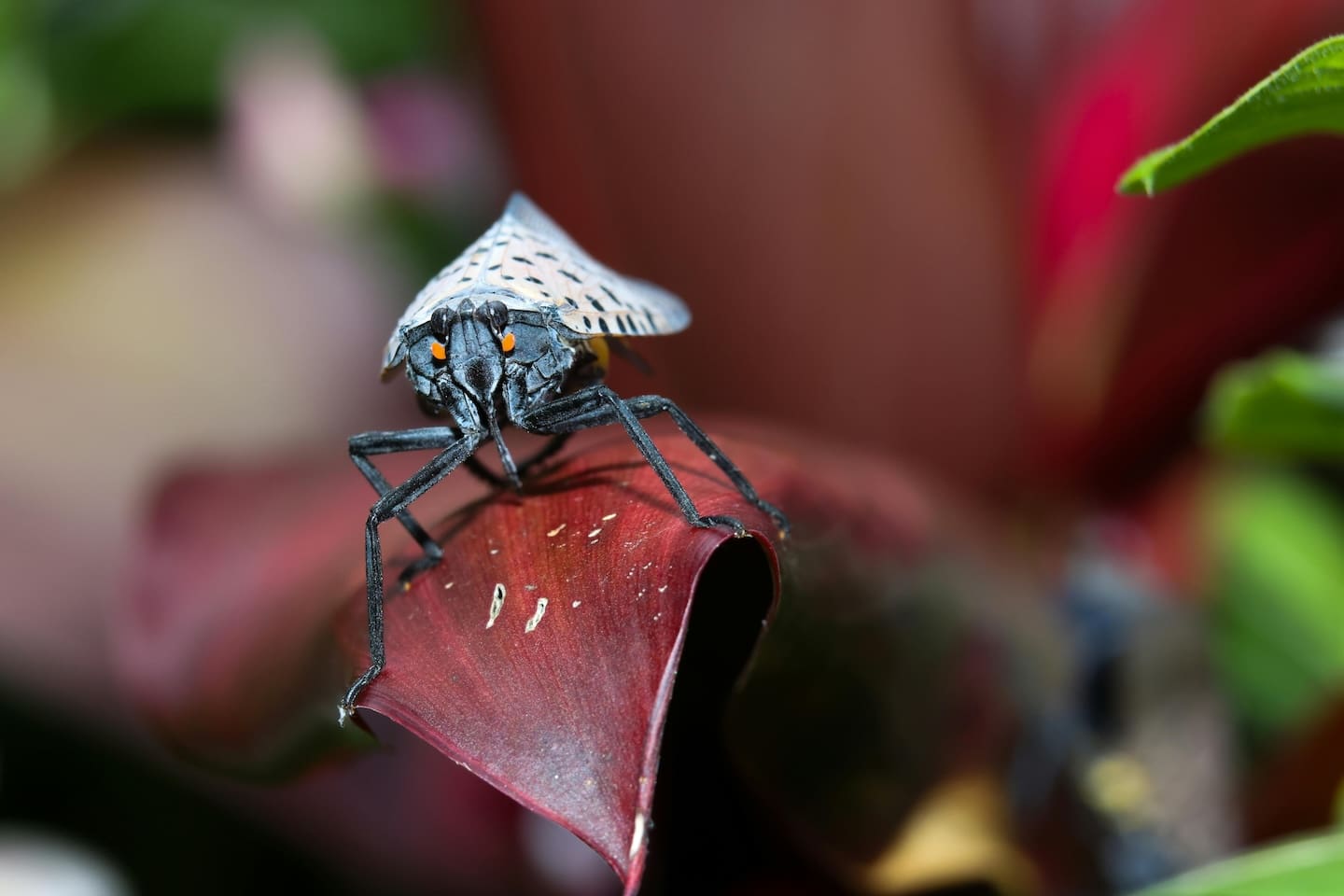
In the summer, the spotted lanternfly nymphs molt one last time to become adults. The adults are about an inch long and have large wings with black spots and red hindwings. They’re also known for their distinctive hopping behavior when they fly, which makes them easy to spot. The adult spotted lanternflies mate and lay eggs in the fall, starting their life cycle again.
How long do spotted lanternflies live?
These invasive insects may be a nuisance, but at least they don’t stick around for too long! So how long do spotted lanternflies live? These bugs have a relatively short lifespan, living only about one year from egg to adult. By the time they reach adulthood in late summer or early fall, their time is almost up – they’ll only live for a few more weeks before they die off.
While this may not be much consolation if you’re dealing with a spotted lanternfly infestation, you can rest easy knowing they won’t be around for too long. It’s also important to note that spotted lanternflies are an invasive species and can cause significant damage to plants and crops. If you spot them in your area, contacting local authorities or pest control experts is best to help control their spread.
Partner with Borst to meet your pest management needs
Are you looking for a more natural way to keep pests out of your yard without harming the environment? Borst Landscape & Designoffers organic pest control services that are safe, effective, and eco-friendly. A healthy outdoor space is a happy one, so we focus on using organic methods to keep your lawn free from harmful chemicals. Contact us today to learn more about our organic pest control services and how we can help you create a beautiful, healthy outdoor space.
For your free estimate, call Borst at (201) 581-8076, or fill out a contact formon our website today!
FAQs
Q1: How long does a spotted lanternfly live?
A1: From hatch to adult, it completes its development in about one year. The adult stage itself lasts only a short span—typically just weeks—before it dies after laying eggs.
Q2: What are the life‑stages of the spotted lanternfly?
A2:
Eggs: Laid in fall, overwinter. CALS+1
Nymphs: Hatch in spring and progress through four instars. CALS+1
Adults: Appear mid‑summer to fall, mate and lay eggs, and then die off.
Q3: Does “one year” mean exactly 12 months everywhere?
A3: Not exactly. The development time can vary based on climate, host‑tree availability and local conditions. But for the regions commonly affected (like NJ), it largely means eggs laid one fall hatch the next spring and produce adults that same summer/fall cycle. UMass Amherst+1
Q4: Why is understanding their lifespan useful for homeowners?
A4: Knowing the seasonal timing is critical for effective control:
Scrape off egg masses in fall/winter.
Monitor for nymphs in spring and early summer.
Treat or inspect adults late summer/fall.
If you wait too long (after egg‑laying) the next cycle begins again. Penn State+1
Q5: What are signs that spotted lanternflies are foraging or laying eggs on my property?
A5:
Egg masses: Look like grey‑mud coated patches on tree trunks, stones, outdoor furniture. UMass Amherst
Nymphs & adults: Clusters on trunks/leaves, copious sticky honey‑dew, sooty mold below feeding sites. The Spotted Lanternfly Project+1
Adults feeding in late summer/fall and then egg‑laying as season advances.
Q6: What can I do now on my Bergen/Morris/Union County property to break the cycle?
A6: Good steps include:
Regularly inspect for egg masses this fall/winter and remove them.
In spring, monitor and control nymphs (especially near preferred host trees).
In late summer/fall, watch for adult buildup and prepare to intervene.
Engage a trusted landscaping/pest‐control professional (like our team at Borst Landscape & Design) who knows the lifecycle and timing.
Photo by Jermaine Lewis