
TLDR:
Winter shrub care tips help protect your landscape from frost damage, desiccation, and winter burn. Learn how to prep your shrubs for snow, ice, and fluctuating temperatures with smart watering, mulching, pruning, and shielding strategies. CallBorst Landscape & Designat (201)254-5740to get expert help with winterizing your landscape.
Smart Winter Shrub Care Tips Start With Planning
Shrubs are the backbone of many New Jersey landscapes, offering structure, privacy, and year-round visual appeal. But winter can be particularly challenging for even the hardiest varieties. Cold temperatures, wind, ice, and salt can all lead to injury or death if shrubs aren’t properly protected.
Knowing the right winter shrub care tips can help you maintain your investment and ensure that your landscape looks its best—even after the snow melts. From evergreens to flowering shrubs, all species benefit from proactive winter prep.
To keep your landscape protected through winter, contactBorst Landscape & Designor call (201)254-5740 for expert seasonal care.
Why Shrubs Need Extra Winter Protection
Winter stress affects shrubs in multiple ways:
- Desiccation:Cold winds and frozen ground limit water uptake, causing leaves and stems to dry out.
- Freeze-Thaw Cycles:Repeated freezing and thawing can cause roots to heave from the soil or bark to split.
- Salt Damage:Road salt can leach into soil or splash onto foliage, burning sensitive plants.
- Animal Browsing:Deer, rabbits, and other hungry wildlife may munch on bark and branches when food is scarce.
A good winter care routine anticipates these stressors and defends against them before the damage begins.
Essential Winter Shrub Care Tips
1. Water Thoroughly Before the Ground Freezes
Hydrated roots are more resilient to winter stress. Give your shrubs a deep watering in late fall—especially if autumn has been dry. Focus on newly planted shrubs, evergreens, and shallow-rooted varieties.
Once the ground freezes, your shrubs won’t absorb much moisture. Ensuring adequate water beforehand helps them retain strength throughout the season.
2. Apply Mulchfor Insulation
A 2- to 4-inch layer of organic mulch—such as shredded bark or leaf mold—acts like a blanket for your shrubs’ roots. Mulch helps regulate soil temperature, reduce moisture loss, and prevent soil heaving caused by freeze-thaw cycles.
Be sure to pull mulch a few inches away from the trunk or main stems to avoid rot or pest activity.
3. Prune Strategically in Late Fall
Pruneonly dead or damaged branches in late fall or early winter. Avoid heavy pruning just before winter, as this can stimulate new growth that’s too tender to withstand frost. Save shaping and hard pruning for early spring.
For flowering shrubs, know your species. Spring bloomers, such as forsythia and lilac, should be pruned immediately after they bloom, not in the fall or winter.
4. Wrap Vulnerable Shrubs
Use burlap or breathable plant fabric to wrap evergreens and other sensitive shrubs, especially those exposed to strong wind or sun. This shields them from harsh winter burn—brown, dry patches that appear when foliage loses moisture faster than roots can replenish it.
Frame the fabric loosely around the plant using wooden stakes to avoid crushing branches.
5. Guard Against Snow and Ice Damage
Heavy snow can bend or break branches, especially on upright evergreens like arborvitae. Gently brush snow off branches with a broom—but never shake the plant, as frozen limbs can snap easily.
Avoid using salt-based de-icers near shrubs. If salt is necessary, look for calcium chloride or other plant-safe alternatives, and create a physical barrier like burlap or plastic to block splashing.
6. Protect Against Deer and Rodents
As winter progresses and food becomes scarce, animals turn to shrubs for sustenance. Use deer fencing, netting, or repellent sprays to protect young or favored species.
Rodents can gnaw on bark near the base of shrubs. Installing a hardware cloth guard or wrapping the trunk can prevent girdling damage.
Best Shrubs for Winter Hardiness
Some shrubs are more tolerant of winter stress than others. Here are a few that perform well in New Jersey’s cold seasons:
- Boxwood:A classic evergreen that benefits from winter protection but holds its shape well.
- Inkberry Holly:Native, low-maintenance, and hardy through harsh winters.
- Red Twig Dogwood:Eye-catching winter color and good cold resistance.
- Aronia (Chokeberry):Offers structure and beautiful fall-to-winter transitions.
- Winterberry Holly:Deciduous, but adds striking red berries to the winter landscape.
Even hardy shrubs need care, but choosing the right varieties can minimize the need for intervention.
Winter Doesn’t Mean Dormant for Your Landscape
Many homeowners assume the garden goes to sleep in winter, but the truth is that cold weather poses unique challenges for your shrubs. Winter shrub care tips are about more than aesthetics—they help protect your plants’ health and ensure they come back strong in spring.
Planning ahead with proper watering, insulation, and protection from wind and wildlife can make all the difference in keeping your landscape vibrant year-round.
If you’d like expert help preparing your shrubs for winter, callBorst Landscape & Designat (201)254-5740 or reach out to us online today.
FAQs About Winter Shrub Care Tips
Q: Should I prune my shrubs in winter?
A: Light pruning of dead or damaged branches is fine in late fall, but avoid heavy pruning until early spring to prevent frost damage to new growth.
Q: How do I know if my shrubs need to be wrapped?
A: Broadleaf evergreens and shrubs in windy or sunny locations are most vulnerable to winter burn. Wrapping them can help prevent moisture loss and sun scald.
Q: Is mulching still necessary in winter?
A: Yes. Mulch insulates roots, helps retain moisture, and prevents soil from freezing and thawing repeatedly—an important step in winter shrub care.
Q: Can I water shrubs during winter?
A: Once the ground freezes, watering becomes ineffective. It’s best to water deeply in late fall before the soil hardens.
Q: What’s the best way to protect shrubs from salt damage?
A: Use barriers like burlap screens or place shrubs further from walkways. Consider plant-safe de-icing products and rinse foliage with water during warm spells if salt exposure occurs.
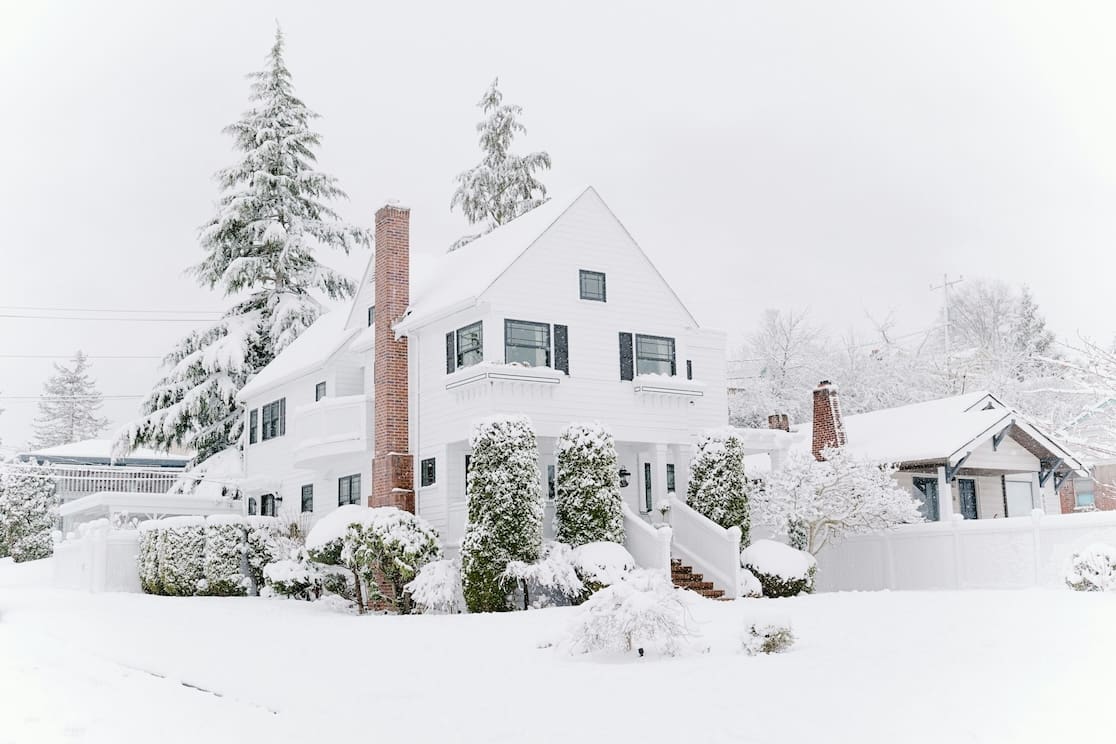
Photo by Tracy Adams on Unsplash