
TLDR:
Spring is the most important season for gardeners, and preparation is key to a thriving landscape. In this guide, you’ll learn how to prepare your garden for spring, including soil prep, pruning, fertilization, and planting strategies to maximize blooms and minimize problems later in the season.
Need help getting your yard ready? Call (201)254-5752 or contact Borst Landscape & Design to book a spring garden consultation.
Why Spring Garden Prep Matters
As the ground thaws and the days grow longer, your garden slowly wakes from its winter slumber. But without proper preparation, you could miss your window to plant, prune, or address pests before they become a problem.
Whether you’re working with a mature landscape or starting fresh, knowing how to prepare your garden for spring ensures healthier plants, a longer blooming season, and a more enjoyable outdoor space.
1. Start With a Clean Slate
Before planting, remove dead leaves, branches, and debris that have accumulated over the winter. This step is more than just aesthetic—clearing away organic matter reduces the risk of mold, fungus, and pests that may overwinter in your beds.
- Rake up leftover leaves and cut back last year’s dead plant material
- Dispose of diseased or pest-infested debris instead of composting it
- Remove any weeds you find early—they’re easier to pull before they establish
This first round of cleanup lays the groundwork for everything that follows.
2. Inspect and Repair Garden Beds and Tools
Take this opportunity to inspect your garden structures and tools. If you’re serious about how to prepare your garden for spring, this is a step you shouldn’t skip.
- Raised Beds: Look for signs of rot, shifting, or pest damage in wood or composite frames
- Garden Edging: Re-secure loose stones, bricks, or plastic borders
- Tools: Sharpen blades on pruners, shears, and shovels; replace broken handles
Well-maintained tools and beds help prevent injuries and make your gardening more efficient.
3. Test and Enrich Your Soil
Spring is the perfect time to evaluate your soil’s health. A simple soil test can reveal pH imbalances and nutrient deficiencies that may prevent your plants from thriving.
- Purchase a soil test kit or send a sample to a local extension service
- Based on the results, amend your soil with compost, lime, or other organic materials
- Consider adding mulch or compost now to improve soil structure and moisture retention
Healthy soil is the foundation of a healthy garden. Make sure yours is ready to support new growth.
4. Prune Carefully and at the Right Time
Pruning is one of the most effective ways to encourage vigorous growth and beautiful blooms. But timing is everything.
- Shrubs that flower in summer (like hydrangeas or butterfly bushes) should be pruned in early spring before new growth appears
- Spring-flowering shrubs (like lilacs or azaleas) should wait until after their blooms fade
- Cut back ornamental grasses and perennials that weren’t trimmed in the fall
- Remove any dead, damaged, or crossing branches
Pruning not only improves plant health, it also enhances airflow and appearance.
5. Refresh Mulch and Define Borders
A fresh layer of mulch does more than make your beds look clean—it helps suppress weeds, retain moisture, and regulate soil temperature.
- Apply a 2–3 inch layer of organic mulch like shredded bark, composted leaves, or pine needles
- Keep mulch a few inches away from plant stems to prevent rot
- Re-cut and edge garden beds to maintain clean lines and prevent lawn encroachment
This small effort adds a polished look to your landscape and keeps your garden thriving through spring and beyond.
6. Plan Your Planting Strategy
Once your beds are prepped, you’re ready to plant. But resist the urge to rush—NJ gardens can still face frost well into early spring.
- Begin with cool-season annuals like pansies, violas, and snapdragons
- Divide and transplant perennials like daylilies, hostas, and coneflowers
- Start summer-flowering bulbs like lilies and dahlias after the last frost
- Prepare seedbeds for vegetables such as lettuce, peas, and radishes
Having a planting calendar tailored to your USDA hardiness zone (Zone 6 in Bergen County) ensures you plant at the optimal time.
7. Address Pests Before They Multiply
Early spring is your best opportunity to prevent pests from gaining ground in your garden.
- Apply dormant oil sprays to trees and shrubs to control overwintering insects
- Inspect for signs of damage from voles, deer, or rabbits
- Install physical barriers or natural deterrents before planting your most vulnerable crops
A proactive pest control strategy saves time and money later in the season when infestations are harder to manage.
8. Fertilize With Purpose
If your soil test shows nutrient deficiencies, now is the time to fertilize.
- Use slow-release or organic fertilizers for steady growth
- Apply products based on plant type—grass, flowers, vegetables, and trees all have different needs
- Avoid over-fertilizing, which can harm plants and lead to runoff issues
Always follow product labels and consider weather conditions. Fertilizing before a heavy rain can wash nutrients away before they’re absorbed.
9. Consider Irrigation Needs
As temperatures rise, so does your garden’s need for consistent water.
- Check irrigation systems for leaks, clogs, or damage
- Add drip hoses or soaker hoses to reduce water waste
- Mulch around roots to slow evaporation
Even if spring rains are plentiful, establishing a watering schedule early helps your garden transition into summer stress-free.
Call the Experts to Jumpstart Your Spring Garden
Knowing how to prepare your garden for spring takes planning, patience, and a little elbow grease—but the results are worth it. With clean beds, healthy soil, strategic planting, and proactive care, you’ll enjoy a vibrant landscape all season long.
Want professional guidance or hands-on help? Borst Landscape & Design offers custom garden planning, soil care, pruning, and maintenance services to get your property spring-ready.
Call (201)254-5752 or contact us here to schedule your spring landscape consultation.
FAQs: How to Prepare Your Garden for Spring
When should I start preparing my garden for spring in NJ?
You can begin as early as late February or early March, depending on the weather. Wait until the ground is thawed and workable.
Do I need to remove mulch from last year?
Only if it’s matted down or moldy. Otherwise, you can turn it into the soil or top it off with a fresh layer.
How do I know if my soil needs fertilizer?
A soil test is the most accurate way to determine if your garden needs fertilization and what kind. These are available online or through your county extension office.
Is pruning necessary every spring?
Yes. Pruning helps remove dead or damaged branches, encourages healthy growth, and shapes your plants.
Can I plant flowers in March?
Cool-season flowers like pansies and violas can be planted in early spring. Wait until after the last frost for warm-season blooms.
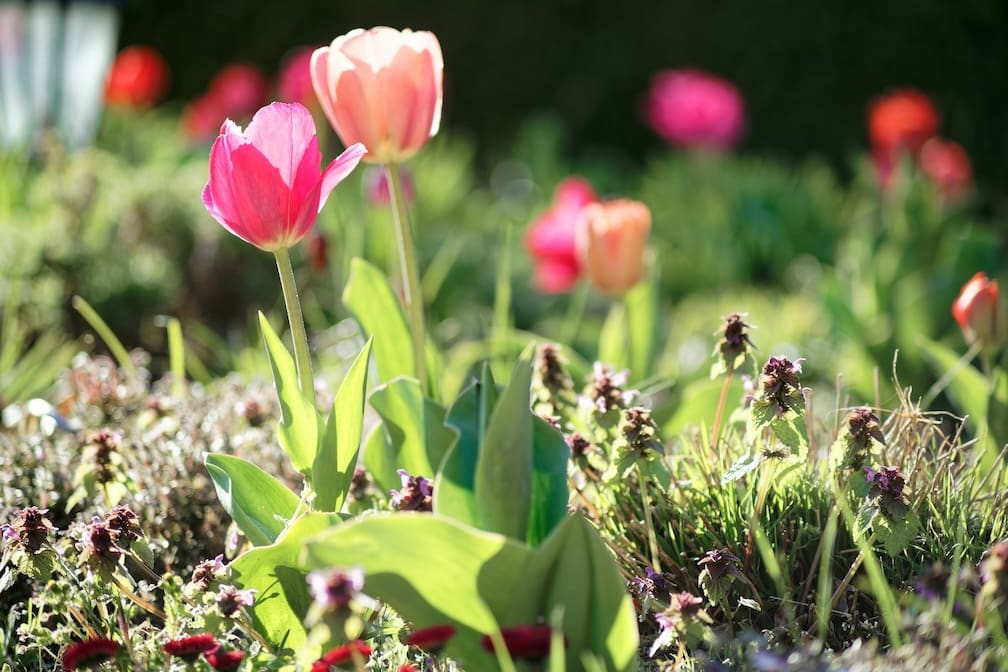
Photo by Alex Kulikov on Unsplash
