
TLDR:
Late winter is an ideal time to jump-start your garden with hardy blooms that tolerate frost and cool soil. In USDA Zone 6 (Bergen County, NJ), consider planting hellebores, pansies, snowdrops, and primroses. These cold-hardy flowers bring life to your landscape when most plants are still dormant. Choose the right spot, prepare your soil, and enjoy a head start on a vibrant spring display.
Need help planning your late winter garden? ContactBorst Landscape & Designor call (201) 254-5732to speak with a landscaping expert.
Discover What Flowers to Plant in Late Winter for an Early Burst of Garden Color
Late winter might feel too early to think about flowers, but it’s actually the perfect time to start planning your garden’s first pop of color. Knowing what flowers to plant in late winter can give your landscape a beautiful head start before spring officially arrives. With the right cold-hardy blooms, you’ll enjoy vibrant hues and early-season interest while most gardens are still waking up.
Ready to refresh your garden before the thaw? CallBorst Landscape & Designat (201) 254-5732to get expert guidance on seasonal planting in Bergen County.
Why Plant in Late Winter?
If you live in Bergen County or a similar Zone 6 climate, late winter may not seem like a logical time for gardening. But for those in the know, this is a golden window to get a head start on the growing season. Many flowers thrive in the cool weather and can handle frosty nights and chilly mornings. Planting now means you’ll enjoy earlier blooms, build strong root systems before spring heat, and give pollinators an early food source.
Best Flowers to Plant in Late Winter
Whether you’re updating containers or filling in garden beds, the following flowers are resilient, colorful, and perfect for late winter planting.
1. Hellebores (Lenten Rose)
These winter-blooming perennials are one of the first to flower, sometimes pushing through snow to display their nodding blooms in shades of pink, cream, green, and burgundy. They’re deer-resistant, shade-tolerant, and low-maintenance, making them ideal for woodland borders or shaded beds.
2. Pansies
With their cheerful faces and wide range of colors, pansies are cold-tolerant annuals that thrive in the cooler temperatures of late winter. These resilient blooms can handle frost and will continue flowering into spring.
3. Primroses
Primroses brighten up the garden with clusters of vibrant blooms in pink, yellow, purple, and white. They perform well in containers and beds, especially when planted in well-draining soil with partial shade.
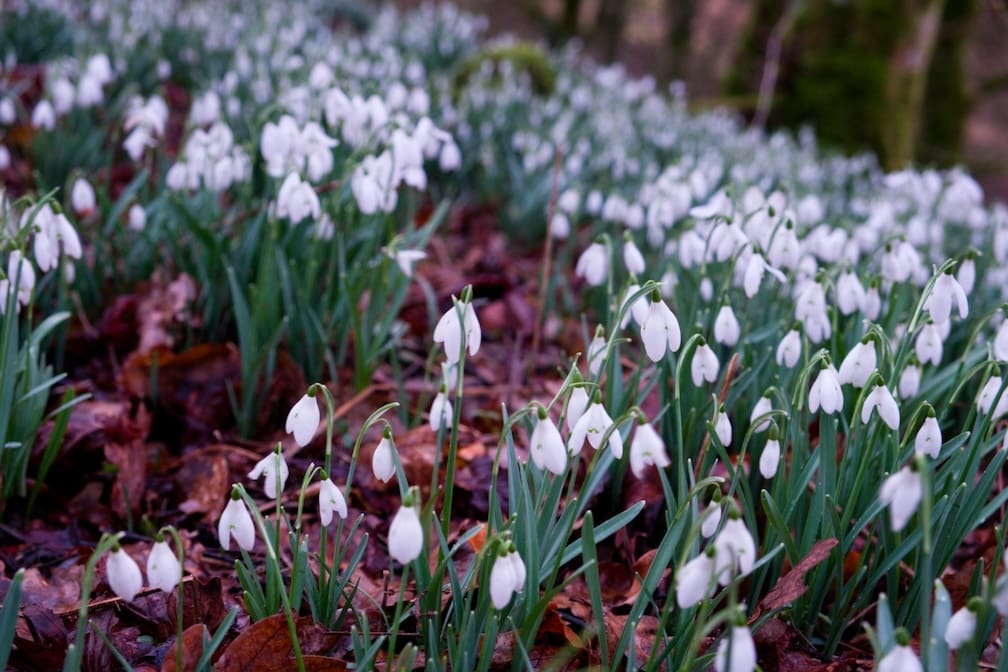
4. Snowdrops (Galanthus)
Snowdrops are often the first flowers to appear in late winter. Their delicate white blooms emerge even through snow. Once established, they naturalize easily, creating charming drifts along walkways and under trees.
5. Cyclamen
Hardy cyclamen (not the tropical houseplant version) bloom in late winter with butterfly-like petals and attractive marbled foliage. These compact flowers thrive in shady spots with well-drained soil.
6. Winter Aconite (Eranthis hyemalis)
Another early bloomer, winter aconite has bright yellow buttercup-like flowers that provide contrast against the gray landscape. It pairs beautifully with snowdrops and hellebores.
How to Prepare Your Garden for Late Winter Planting
Even if the ground is still a bit firm, mild late winter days offer a chance to prep for planting:
- Check Soil Drainage:Ensure beds don’t hold standing water. Soggy soil can rot roots.
- Amend with Compost:Improve fertility and drainage by mixing in organic matter.
- Choose a Sunny Spot:Many cold-season flowers need at least partial sun to bloom.
- Water Lightly:Even in winter, new plantings need hydration—especially during dry spells.
- Mulch Lightly:Add a thin layer of mulch to protect roots from temperature swings.
Benefits of Planting Flowers in Late Winter
- Earlier Blooms:Get a jump on spring and extend your flowering season.
- Healthier Root Growth:Cool temperatures encourage strong root systems.
- Pollinator Support:Bees and other pollinators benefit from early food sources.
- Less Competition:With fewer pests and weeds, plants face less stress.
Planting Tips for Success
- Stick to flowers rated hardy for USDA Zone 6.
- Don’t fertilize too early—wait until you see signs of new growth.
- Avoid heavy pruning until risk of hard frost has passed.
- Use row covers or frost cloth if an unexpected freeze is in the forecast.
Planning Ahead: What’s Next After Late Winter?
Once your late winter blooms are established, prepare for a wave of spring annuals and perennials. Flowers like African marigolds, begonias, and bush morning glory can be introduced in early spring. For best results, consult a seasonal planting guidetailored to your region.
Let your landscape come to life even before spring officially arrives. For expert help in designing and maintaining a beautiful year-round garden, contactBorst Landscape & Designor call (201) 254-5732. Let’s make your garden bloom from the very first signs of the season.
FAQs: What Flowers to Plant in Late Winter
Q: Is it too early to plant flowers in February?
Not necessarily. Hardy varieties like hellebores, pansies, and snowdrops are made for February planting, especially in zones like 6a and 6b.
Q: Can late winter flowers survive frost?
Yes, many cold-season blooms are frost-tolerant. Just ensure proper planting conditions and mulch if needed.
Q: Do I need to cover my flowers if it snows?
Most late winter varieties can handle a light snow. However, if temperatures plunge suddenly, frost cloth can offer extra protection.
Q: What perennials bloom in late winter in New Jersey?
Hellebores and early-blooming primroses are great options. You might also see early signs of anemones and snowdrops.
Q: When should I start seeds indoors for spring flowers?
Late winter is a good time to start seeds indoors for warm-season annuals like zinnias or impatiens, which can be planted outdoors after the last frost.
Photo by Ian McDonald on Unsplash