
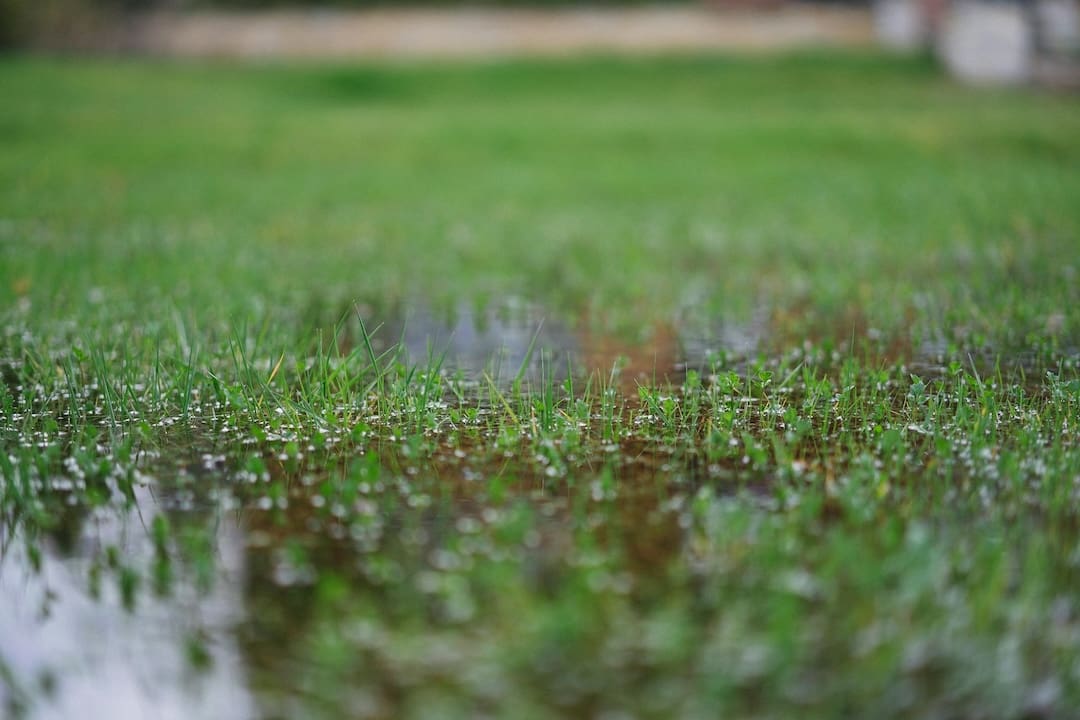
TL;DR: When heavy rain hits a Northern NJ property, water has to go somewhere — and where it goes is up to you. The most effective backyard drainage solutions for heavy rain combine smart grading, targeted hardscape (French drains, dry wells, swales, rain gardens), well-routed downspouts, and a landscape that absorbs water rather than fighting it. The right combination depends on your soil, slope, lot layout, and how the property currently behaves in a storm.
Here at Borst Landscape & Design, our expert team is ready to help. Call (201) 254-5740 or contact us online to schedule a drainage assessment.
Why Backyard Drainage Solutions for Heavy Rain Matter in Bergen County
Bergen County storms are getting wetter, faster, and more frequent — and properties that drained fine ten years ago can suddenly behave very differently. The right backyard drainage solutions for heavy rain protect more than just your lawn. Standing water damages plant roots, erodes valuable topsoil, undermines hardscape, attracts mosquitoes, and — when it pools near the foundation — leads to basement seepage and structural issues that get expensive fast. Catching the problem early, with a thoughtful drainage plan, costs far less than fixing the consequences later.
Here at Borst Landscape & Design, our expert team handles drainage assessment, design, and installation as part of a complete approach to your landscape. Call us at (201) 254-5740 or contact us online to schedule a property walkthrough.
Signs You Have a Drainage Problem
It’s easy to miss drainage issues until they cause real damage. Watch for any of the following after a heavy rain:
- Standing water that takes more than a day to drain
- Soggy, squishy patches of lawn that linger between storms
- Erosion lines, washouts, or mulch washing out of beds
- Water stains, discoloration, or efflorescence on foundation walls
- Basement seepage, dampness, or musty smells
- Pavers or walls that have shifted, heaved, or cracked
- Mosquito activity that seems disproportionate to your area
What Drives Drainage Problems in Northern New Jersey
A few local factors make drainage especially challenging in Bergen, Morris, and Essex County properties:
- Heavy clay soil that doesn’t absorb water quickly
- Older homes with grading and downspouts that haven’t kept up with newer storm patterns
- Hilly terrain where water moves quickly and can deliver runoff from neighboring properties
- Frost-heave damage that subtly changes slopes from year to year
- Mature canopies that intercept gentle rain but funnel hard rain in concentrated streams
Backyard Drainage Solutions That Actually Work
There’s no one-size-fits-all fix. The right combination depends on your specific situation, but most effective drainage plans use two or three of the following solutions together.
1. Regrading and Improved Surface Slope
If your yard pitches toward the house — even slightly — fixing the grade is usually the highest-impact solution. The surface should slope at least six inches in the first ten feet from any foundation. Regrading is invasive but lasting, and it’s often the foundation that other solutions build on.
2. French Drains
A French drain is a gravel-filled trench with a perforated pipe that captures water and routes it to a safe discharge point. They’re excellent for chronic wet zones, foundation perimeters, and sloped lots. Properly installed, they’re largely invisible and last for decades.
3. Dry Wells
A dry well is an underground reservoir that captures excess water and lets it slowly soak into surrounding soil. They’re ideal for managing downspout overflow or relieving low spots without rerouting water across the property.
4. Swales and Berms
Swales are shallow, vegetated channels that move water gently across a landscape. Berms are raised mounds that block or redirect flow. Together they handle slope and runoff while looking like natural landscape features rather than engineered fixes.
5. Rain Gardens
A rain garden is a planted depression designed to absorb runoff. It captures water from downspouts or low spots, holds it briefly, and releases it slowly back into the soil — while adding pollinator habitat and visual interest. One of the most attractive ways to handle drainage in a residential yard.
6. Downspout Extensions and Drains
Many drainage problems are caused by downspouts that dump water within a few feet of the foundation. Extending downspouts (above- or below-ground) at least six to ten feet away — or tying them into a buried drain that discharges at a safe distance — is one of the simplest, lowest-cost wins on most properties.
7. Permeable Hardscape
Where new patios, walkways, or driveways are part of the plan, permeable pavers and gravel surfaces allow rainwater to soak into the ground rather than run off. They’re an excellent choice for balancing entertaining space with smart water management.
How to Choose the Right Combination
An effective drainage plan starts with a careful site assessment: walking the property, observing how water actually moves during rain, checking soil composition, and considering the home’s grade. From there, the right mix of solutions falls into place. This is the kind of work that benefits enormously from a comprehensive landscape design approach, because drainage rarely lives on its own — it touches plantings, hardscape, lighting, and irrigation all at once.
Common Drainage Mistakes to Avoid
- Burying the problem under more mulch or sod instead of fixing the underlying cause
- Adding a French drain without a real discharge plan — water has to go somewhere
- Ignoring downspouts that dump right against the foundation
- Trying to fight gravity instead of working with it
- Skipping the site assessment and guessing at solutions based on symptoms alone
DIY vs. Professional Drainage Work
Some drainage work is reasonable for handy homeowners — extending downspouts, adding splash blocks, building a small swale. But anything involving regrading, foundation perimeter drains, French drain installation, or coordinating drainage with hardscape or planting design is best handled by a professional team. The investment in a proper plan saves on plant losses, hardscape repairs, and basement work down the road. Coordinating drainage with your overall landscape maintenance plan keeps the system performing year after year.
Protect Your Property This Storm Season
The cost of getting drainage right is almost always lower than the cost of ignoring it. By addressing the problem with the right combination of solutions — and pairing them with thoughtful landscape design — you protect your home, your investment in plantings and hardscape, and your peace of mind every time the forecast calls for heavy rain.
Here at Borst Landscape & Design, our expert team can assess your property, identify the real source of your drainage issues, and design a plan that fits your landscape and budget. Call us at (201) 254-5740 or contact us online to schedule your assessment. We serve homeowners throughout Bergen, Morris, and Essex County, NJ.
FAQs About Backyard Drainage Solutions for Heavy Rain
Q: How do I know if I have a drainage problem?
A: Standing water for more than a day, soggy lawn patches, mulch washing out of beds, basement dampness, or shifting hardscape are all clear signs. If you see two or three of these, a professional assessment is worth scheduling.
Q: Which drainage solution is best for my yard?
A: It depends on your slope, soil, downspout layout, and where water collects. Most effective plans combine two or three solutions — regrading, a French drain, redirected downspouts, and sometimes a rain garden — tailored to the property.
Q: How much do backyard drainage solutions cost?
A: Costs vary widely. Simple downspout extensions can be a few hundred dollars; full regrading, French drains, or dry wells often run several thousand. A complete drainage and landscape plan for a more involved property can be substantially more — but always less than fixing the foundation, basement, or planting losses caused by neglect.
Q: Will a French drain solve my problem?
A: Sometimes — but only when it’s installed correctly and routed to a real discharge point. A French drain without a clear destination just moves the problem. The right solution starts with a site assessment, not a single product.
Q: Can drainage solutions look beautiful, not just functional?
A: Absolutely. Rain gardens, swales, dry creek beds, and permeable hardscape can all be designed as features that enhance your landscape rather than hide it. Drainage and design should work together.
Q: Does Borst Landscape & Design handle drainage as part of larger landscape work?
A: Yes. Here at Borst Landscape & Design, our expert team designs and installs drainage solutions as part of a full-property approach — coordinated with grading, hardscape, plantings, and irrigation. Call (201) 254-5740 or contact us online to schedule an assessment.
Photo by Phil Hearing on Unsplash
