
TL;DR
When building a garden walkway, choosing the right material—whether Gravel, Pebbles or Mulch—really comes down to how you’ll use it, how it will look, and how much maintenance you’re willing to do. This blog post walks through the pros and cons of each so you can make a smart choice for your Northern New Jersey home.
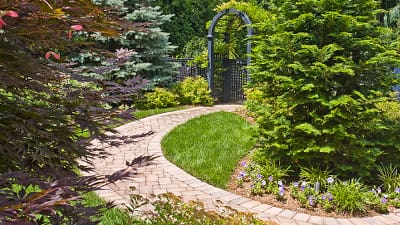 Spring is the perfect time of year to add to, or amend, your landscape design. A garden pathway provides the ideal way to add enchantment to your outdoor spaces, and to allow easy access for you and your guests to enjoy a perfectly positioned bench, or stroll amongst the seasonal foliage in the beautiful Northern New Jersey weather.
The most common materials used in garden walkways are gravel, pebbles and mulch. Here are some pros and cons of each to help you decide which is best for you and your ideal pathway for your garden.
Gravel Pathways
The most common type of gravel used for garden pathways is called pea gravel, which is made of crushed, rounded rock. The gravel pieces are about the size and shape of a pea, hence its name.
Using gravel in your garden walkway is great for those on a budget, and has several pros, including:
- You can choose from a variety of colors
- It adds a classic, timeless aesthetic
- Gravel pathways are long-lasting
- You can add to it easily every few years for a refreshed look
However, there are some cons to consider before choosing gravel:
- Over time, it can become dusty and untidy
- Your wheelbarrow and foot treads will leave depressions that will need to be raked smooth
- You will have to use a pathway border of some kind to keep gravel in place
- It can be hard on bare feet – the smaller the stones, the better if this is an issue
Pebble Pathways
In most cases, pebble garden pathways are used more for aesthetics, or an occasional stroll, because the larger stones are more unstable. However, they can be used to create lines to guide the eye towards a focal point such as a fountain or bird bath.
Some of the pros of using pebbles for your garden pathway include:
- They are beautiful to look at, and can be used to mimic a beach or a natural stream bed
- Color and pattern variations are endless
- Larger pebbles are durable and long lasting, so you won’t need to replace them or add to them very frequently
Like anything though, there are some cons to weigh before using pebbles:
- Pebbles can be more expensive, depending on the types of pebbles you choose
- They are harder to walk on with bare feet, and can be unstable for little ones and the elderly
- Rolling wheel barrows, or strollers, along pebbly paths is cumbersome
Mulch Pathways
A mulch walkway is the most natural option as it replicates a forest floor and can blend seamlessly with your garden and flower beds. Mulch creates a soft aesthetic.
If you’re interested in using mulch, here are some of the pros of using it in your garden pathway:
- Mulch is affordable
- Your landscape designer can incorporate mulch from your own garden waste
- It is organic and creates a soft, natural appearance
- Bare feet do well on mulch, as do wheelbarrows or strollers
- You can select the type of mulch materials you want based on appearance and texture
However, some of the cons of a mulch garden pathway include:
- You will need to use some type of border, where the path isn’t adjoined to beds, to keep it tidy
- It needs to be refreshed and replaced more often
- In moist environments, it is prone to mold/fungal growth
Conclusions
It’s hard to go wrong when choosing a material for a garden pathway. Whether you choose gravel, pebbles or mulch, each will bring a dynamic and appealing look to your walkways.
Consulting with an experienced landscape and design company can help you make the right choice for your home and garden. Telling them what your plans are for your pathway and how often it’ll be used will go a long way toward helping you achieve your dream walkway that can tie your outdoor living space together.
FAQs
Q1: What are the benefits of using gravel for a garden walkway?
A1: Gravel is budget‑friendly, offers lots of color options, gives a timeless look, and is very long‑lasting.
Q2: What are the drawbacks of a gravel pathway?
A2: Over time, gravel can get dusty or “ragged” by foot traffic or wheelbarrows. Depressions may form, and you’ll likely need a fixed border to keep the gravel contained.
Q3: How about pebbles—when are they a good choice?
A3: Pebbles shine when aesthetics are a priority. They can be laid in patterns or colors to create a focal effect, and the larger stones are very durable.
Q4: And what are the cons of pebbles?
A4: Pebbles can be pricier, less comfortable to walk on (especially barefoot), and less practical for wheelbarrows, strollers, or heavy traffic.
Q5: When is mulch a good material for a walkway?
A5: Mulch gives a soft, natural feel—especially great for garden settings that mimic woodland paths. It’s affordable, can tie into your landscape naturally, and works well for informal foot traffic.
Q6: What should I expect with mulch walkways in terms of maintenance?
A6: Mulch requires more frequent refreshing, may be prone to mold or fungus in damp spots, and needs edging or borders to keep it tidy if the path isn’t naturally bounded.
Q7: How do I decide which material is best for my property in Bergen/Morris/Union County, NJ?
A7: Consider how much use the path will get (daily vs occasional), how important wheel or stroller traffic is, comfort for kids/pets, the look you want (formal vs informal), your budget, and your maintenance tolerance. If you’re unsure, a reputable landscaping firm can help you evaluate and choose the right option tailored to your site.
Q8: What’s the next step if I’m ready to install a garden walkway?
A8: Reach out with your site goals (how you’ll use the path, what aesthetic you want), have a site review done, and then decide on materials and layout. You’ll want borders, drainage, and proper installation to ensure durability and visual appeal.