
TL;DR:
This article outlines practical eco‑friendly landscape maintenance practices that support a healthier environment and a more resilient yard. It covers soil health, organic fertilization, smart irrigation, natural pest and weed management, responsible mowing techniques, and seasonal planning. By implementing sustainable maintenance strategies, you can reduce chemical use, conserve water, protect beneficial wildlife, and enhance the long‑term health and beauty of your landscape.
For tailored eco‑friendly landscape maintenance plans and professional support, call Borst Landscape & Design at (201) 254‑5732 or visit our contact page to schedule your consultation.
How Eco-Friendly Landscape Maintenance Protects the Environment Without Compromising on Curb Appeal
As more homeowners aim to reduce their environmental impact, interest in eco-friendly landscape maintenance continues to grow. Sustainable practices not only minimize harm to local ecosystems—they also create healthier, more resilient yards. Whether you’re managing an ornamental garden, a manicured lawn, or a mix of natural areas, there are ways to maintain your outdoor space that align with both aesthetic goals and ecological responsibility.
If you’re looking for a maintenance partner that understands how to balance sustainability with expert care, Borst Landscape & Design offers environmentally responsible solutions tailored to your property. Call us at (201) 254‑5732 or contact us online to schedule a consultation.
What Makes Landscape Maintenance Eco-Friendly?
Eco-friendly landscape maintenance is about working with nature rather than against it. It means selecting methods and materials that reduce environmental impact, support native biodiversity, and build long-term soil and plant health. From the fertilizers you use to the way you mow or irrigate, every maintenance decision has consequences—either contributing to sustainability or undermining it.
This approach isn’t just about avoiding harm; it’s also about creating landscapes that are more self-sufficient and better adapted to the local climate. By reducing synthetic inputs, minimizing waste, and encouraging ecological balance, sustainable maintenance can deliver both short-term results and long-term resilience.
Reducing Chemical Use Through Organic Practices
One of the central tenets of eco-friendly landscape maintenance is limiting or eliminating the use of synthetic chemicals. Chemical herbicides, pesticides, and fertilizers can disrupt soil biology, harm beneficial insects, and contribute to water pollution through runoff.
Organic lawn relies instead on compost-based fertilizers, beneficial insects, natural pest deterrents, and cultural practices that promote healthy growth without chemical intervention. At Borst Landscape & Design, we focus on soil health in order to build a foundation that supports strong, disease-resistant plants naturally. This also reduces the need for ongoing treatments, making maintenance easier and more predictable over time.
Water Conservation Strategies
Water usage is one of the most significant environmental impacts of traditional landscaping. Eco-friendly maintenance emphasizes efficient irrigation practices to reduce water waste while still meeting the needs of plants.
Smart irrigation systems that adjust to weather conditions, drip systems that deliver water directly to plant roots, and mulching techniques that retain soil moisture all contribute to a more sustainable yard. In addition, selecting drought-tolerant or native plants reduces the overall demand for supplemental watering, especially during the summer months.
Professional landscape teams can also audit your current irrigation setup to identify leaks, inefficiencies, or overuse—making strategic upgrades that conserve water without sacrificing plant health.
Supporting Native Plants and Local Wildlife
Another essential component of sustainable landscaping is biodiversity. Eco-friendly maintenance plans prioritize native plants and pollinator-friendly species that support local ecosystems. These plants are adapted to the region’s soil and climate, making them more resilient, lower maintenance, and less reliant on artificial inputs.
Our professionals can help design and maintain planting schemes that provide food, shelter, and habitat for beneficial insects, birds, and other wildlife. Even modest additions like flowering perennials or ornamental grasses can create important ecological value while enhancing the beauty and texture of your landscape.
When it comes to invasive species management, a sustainable approach focuses on long-term control and ecosystem restoration rather than aggressive chemical treatments. Maintaining balance within plant communities ensures that your yard contributes to, rather than disrupts, the surrounding environment.
Sustainable Mowing and Pruning Practices
Mowing and pruning are fundamental to landscape maintenance, but how they’re done can significantly affect sustainability. An eco-conscious approach involves maintaining taller grass heights to promote deeper roots, mulching grass clippings back into the lawn, and using electric or battery-powered equipment to reduce emissions.
Instead of over-pruning, we take a more selective approach that considers the growth cycle of the plant, its role in the ecosystem, and the aesthetics of the overall design. This reduces stress on plants, supports pollinators, and minimizes waste.
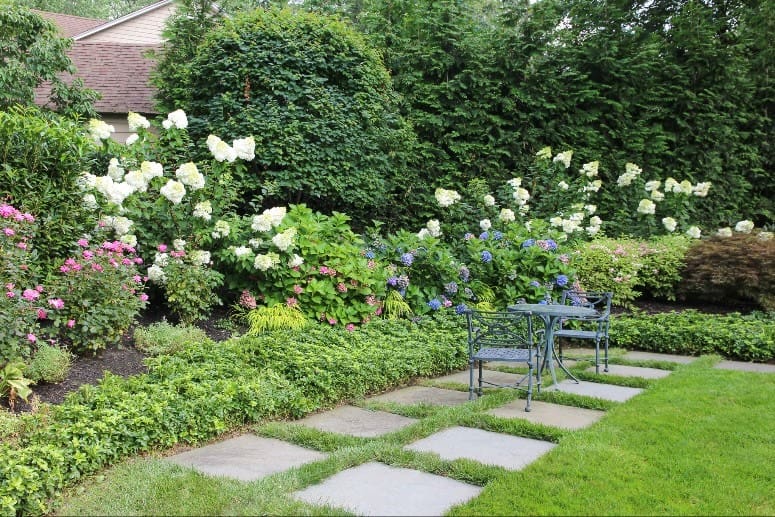
In some cases, switching to alternative ground covers or adding no-mow zones can further reduce the need for mechanical intervention, resulting in a more dynamic, low-maintenance space that still feels curated and inviting.
Seasonal Adjustments for a Healthier Landscape
Eco-friendly landscape maintenance isn’t a one-size-fits-all model—it requires seasonal awareness and adaptive care. At Borst, we adjust our maintenance strategies throughout the year to respond to changing weather patterns, pest activity, and plant needs.
In spring, this might include soil testing and organic fertilization to support early growth. During summer, efforts may shift toward water conservation and weed management. In fall, composting and mulching help insulate plants and build soil health, while winter offers a chance to assess design and prep for the next growing season.
This kind of attentive, responsive care helps reduce waste, prevent over-treatment, and ensure that your landscape remains balanced and beautiful year-round.
Long-Term Benefits of Sustainable Maintenance
While eco-friendly landscape maintenance may require more thoughtful planning up front, the long-term benefits are hard to ignore. A sustainably managed yard typically experiences fewer pest problems, lower water and chemical costs, and improved soil structure over time. It also becomes more resilient to extreme weather events and seasonal stress.
In addition to ecological benefits, sustainable maintenance also supports your personal well-being. A landscape that’s free of synthetic chemicals and filled with native plants and pollinators is a more enjoyable, engaging, and meaningful place to spend time.
For many homeowners, making the shift to eco-friendly practices is not just about environmental impact—it’s about creating an outdoor space that aligns with their values and brings lasting satisfaction.
Make Sustainability Part of Your Routine
Eco-friendly landscape maintenance is an investment in the future of your yard and the environment around it. Whether you’re looking to reduce your carbon footprint, support biodiversity, or simply create a more natural-feeling space, partnering with the professionals at Borst who prioritize sustainability can help you achieve those goals with confidence.
To learn more about environmentally responsible landscape maintenance, call (201) 254‑5732 or contact us online. The team at Borst Landscape & Design is here to help you care for your landscape in a way that’s as beautiful as it is sustainable.
FAQ — Eco‑Friendly Landscape Maintenance
What is eco‑friendly landscape maintenance?
Eco‑friendly landscape maintenance uses sustainable practices that minimize environmental impact, such as organic soil amendments, water‑saving irrigation, natural pest control, and reduced chemical inputs.
How does sustainable maintenance benefit my landscape?
Sustainable maintenance improves soil structure and microbial health, reduces chemical exposure for people and pets, conserves water, supports beneficial insects and wildlife, and enhances the overall resilience of your landscape.
Can eco‑friendly practices control weeds and pests effectively?
Yes. Combining proper mowing, mulching, dense planting, beneficial organisms, and targeted natural treatments can control weeds and pests while reducing reliance on synthetic chemicals.
What role does water management play in eco‑friendly maintenance?
Smart irrigation practices, such as watering deeply but infrequently, using efficient systems like drip lines, and adjusting schedules based on weather, reduce water waste and promote healthy root systems.
Do eco‑friendly methods cost more than traditional maintenance?
Initial costs can vary, but many homeowners find that sustainable practices lead to long‑term savings through reduced inputs, healthier plant growth, and fewer corrective treatments.
To implement eco‑friendly landscape maintenance that enhances both your property and the environment, call Borst Landscape & Design at (201) 254‑5732 or visit the contact page to connect with our maintenance professionals.
