

TL;DR:
The best flowering trees for small yards provide seasonal color, manageable size, and long-term beauty. Choosing the right species—and planting it correctly—makes all the difference between a thriving landscape feature and a maintenance headache.
Want expert guidance choosing the right tree? Contact Borst Landscape & Design or call (201) 254-5732.
Flowering Trees for Small Yards That Add Color, Structure, and Year-Round Interest Without Overcrowding
Choosing flowering trees for small yards may seem simple, but it’s one of the most important—and often underestimated—landscape decisions you can make. The right tree can anchor your yard with color, structure, and seasonal interest. The wrong one can outgrow its space, damage hardscaping, or require constant maintenance.
In smaller properties, every planting decision matters more. You don’t have the luxury of “letting it grow and seeing what happens.” Selecting the right tree from the start ensures your yard remains balanced, functional, and visually appealing for years to come.
If you’re unsure which tree will thrive in your space, Borst Landscape & Design can help guide the process. Call 201-254-5732 or contact us here.
What Makes a Tree Ideal for Small Yards?
Not all flowering trees are suitable for compact spaces. The best options share a few key characteristics:
- Mature height under 25 feet
- Controlled canopy spread (often 10–20 feet)
- Non-invasive root systems
- Low to moderate maintenance needs
- Multi-season interest (flowers, foliage, or bark)
These traits ensure your tree enhances your yard rather than overwhelming it.
Best Flowering Trees for Small Yards
Dogwood (Cornus florida)

A classic favorite known for its elegant spring blooms and layered branching.
Why it works:
- Compact size
- Beautiful white or pink flowers
- Strong fall color
Eastern Redbud (Cercis canadensis)
A standout early bloomer with vibrant pink or purple flowers that appear before the leaves.
Why it works:
- Unique branching structure
- Early-season interest
- Works well near patios or entryways
Japanese Maple (Acer palmatum)
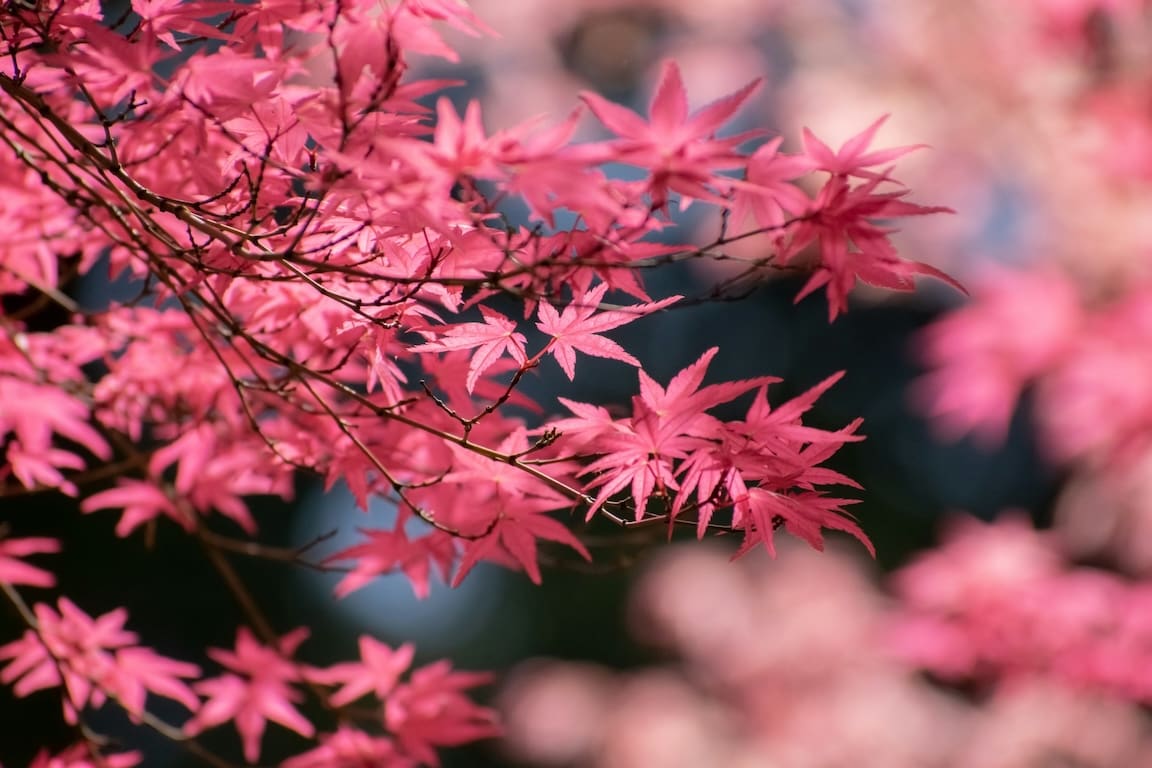
While not always known for flowers, certain varieties offer subtle blooms and stunning foliage.
Why it works:
- Ideal for small spaces
- Adds texture and color
- Works well as a focal point
Crabapple (Malus spp.)
Modern varieties are disease-resistant and offer vibrant spring blooms followed by small ornamental fruit.
Why it works:
- Long-lasting color
- Pollinator-friendly
- Wide variety of sizes
Serviceberry (Amelanchier spp.)

A multi-season tree with delicate white flowers, edible berries, and brilliant fall foliage.
Why it works:
- Native to many regions
- Compact and adaptable
- Year-round interest
How to Choose the Right Tree for Your Yard
Consider Sunlight and Soil
Different trees have different needs. Some thrive in full sun, while others prefer partial shade.
Think About Placement
- Near the house? Choose a tree with non-invasive roots
- Near a patio? Consider canopy shape and shade
- Near utilities? Avoid taller species
Plan for Mature Size
This is where many homeowners go wrong. That small tree at the nursery will grow—sometimes more than expected.
Common DIY Mistakes to Avoid
Planting too close to structures:
Roots and branches need space to grow safely.
Ignoring soil conditions:
Poor soil can stunt growth or cause long-term health issues.
Overlooking drainage:
Too much water can damage roots and lead to disease.
Improper pruning:
Incorrect pruning can ruin the natural shape and weaken the tree.
Choosing high-maintenance species:
Some flowering trees require constant care to look their best.
Design Ideas for Small Yards
Use a Tree as a Focal Point
Place a flowering tree where it naturally draws the eye—near an entryway or in the center of a lawn.
Layer with Shrubs and Perennials
Surround your tree with lower plantings to create depth and visual interest.
Frame Outdoor Spaces
Use flowering trees to define patios, walkways, or seating areas without overwhelming them.
Create Seasonal Interest
Choose trees that offer more than just spring blooms—fall color, bark texture, or berries extend visual appeal.
When It Makes Sense to Hire a Professional
While planting a tree may seem straightforward, there are several factors that can impact long-term success:
- You’re unsure which species fits your space
- Your yard has drainage or soil challenges
- You want a cohesive, well-balanced landscape design
- You’re investing in multiple trees or a full planting plan
- You want to avoid costly mistakes and replanting
A professional can evaluate your property, recommend the right trees, and ensure proper placement and planting techniques.
Long-Term Care Tips for Flowering Trees
- Water deeply during the first growing season
- Apply mulch to retain moisture and regulate temperature
- Prune lightly to maintain shape and health
- Monitor for pests or disease
- Fertilize as needed based on soil conditions
Proper care ensures your tree remains a highlight—not a hassle.
The Right Tree Makes All the Difference
Choosing the best flowering trees for small yards is about more than aesthetics—it’s about creating a balanced, functional landscape that grows with your home. With the right selection and placement, a single tree can transform your yard, adding beauty, shade, and long-term value.
If you want to get it right the first time and avoid common pitfalls, working with an experienced team can simplify the process and deliver lasting results.
Call Borst Landscape & Design at 201-254-5732 or contact us online to get started.
FAQs
What is the best flowering tree for a very small yard?
Japanese maple and dwarf crabapple varieties are excellent choices due to their compact size and visual appeal.
How far should I plant a tree from my house?
Typically 10–20 feet, depending on the mature size and root system of the tree.
Do flowering trees require a lot of maintenance?
Some do, but many modern varieties are bred for disease resistance and lower maintenance.
When is the best time to plant flowering trees?
Early spring or fall is ideal, allowing roots to establish before extreme temperatures.
Can I plant more than one tree in a small yard?
Yes, but spacing and selection are critical to avoid overcrowding and ensure healthy growth.
A thoughtfully chosen tree can elevate your entire landscape—make the choice count.
Photos:
Featured Image: Photo by Clay Elliot
American Dogwood Tree: Photo by Jon Tyson on Unsplash
Japanese Maple Tree: Photo by Anastasiya Dalenka on Unsplash
Serviceberry Tree: Photo by Anya Chernykh on Unsplash
