
TLDR:
Rooftop gardens are a stylish and practical solution for bringing green space into city living. From raised planters and trellises to sustainable irrigation systems, these garden design ideas help you maximize limited space while creating a peaceful escape above the city. Call Borst Landscape & Design at (201) 254-5740 to bring your rooftop vision to life.
Embrace the Sky: Garden Design Ideas for Your Rooftop Retreat
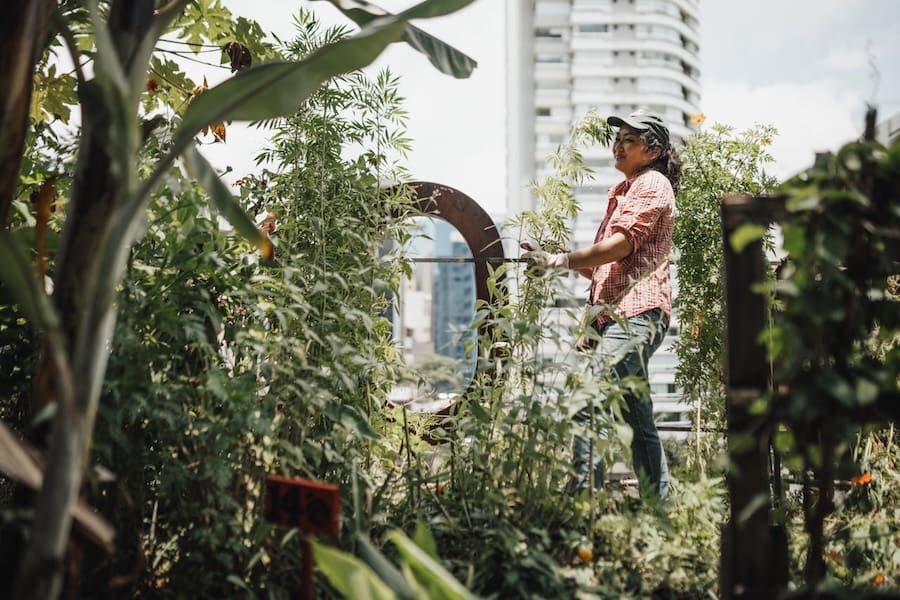
Rooftop gardens are quickly becoming one of the most sought-after garden design ideas for homeowners looking to enhance their outdoor living space in urban or densely populated areas. Whether you’re creating a peaceful retreat, an edible garden, or a stylish entertaining zone, the right rooftop garden design blends form, function, and nature—elevated.
With clever planning and a little creativity, rooftops can be transformed into thriving ecosystems that offer aesthetic beauty, environmental benefits, and an extension of your living space.
To get started on a rooftop garden that fits your space and lifestyle, contact Borst Landscape & Design or call (201) 254-5740.
Why Choose a Rooftop Garden?
- Maximize Unused Space
Urban homes often have limited yard space, and rooftops provide a blank canvas. Converting a flat roof into a garden allows you to make the most of every square foot. - Environmental Benefits
Rooftop gardens improve air quality, reduce heat absorption, and help manage stormwater runoff. They also act as natural insulation, potentially lowering heating and cooling costs. - A Private Escape
Surrounded by open sky, rooftop gardens offer privacy and peace. With thoughtful design, you can create a secluded oasis high above the street noise. - Increase Property Value
A professionally designed rooftop garden adds curb appeal and functional outdoor living space—features that can increase your home’s market value.
Rooftop Garden Design Ideas That Work
If you’re looking for garden design ideas specifically suited for rooftops, start by considering the unique challenges and opportunities these elevated spaces offer.
1. Start with a Solid Structural Foundation
Before adding any plants or furniture, assess the load-bearing capacity of your roof. Work with a professional to ensure that your structure can handle the added weight of soil, containers, and people. Lightweight planting systems, like modular planters or green roof trays, are ideal.
2. Use Raised Beds and Container Gardens
Elevated planters and containers are a smart way to bring greenery into a rooftop space without overloading the structure. They also offer better control over soil quality and drainage.
Choose lightweight materials like fiberglass, composite, or resin. Group containers by height and texture for visual interest, and use drip irrigation to reduce water waste.
3. Create Zones with Hardscaping
Dividing your space into functional zones—such as lounging, dining, and planting—makes even small rooftops feel spacious and organized. Use elements like decking, outdoor rugs, or low-profile pavers to define these areas without obstructing views.
4. Choose Plants Wisely
Wind, sun exposure, and limited soil depth all play a role in rooftop gardening. Select hardy, drought-resistant plants that can tolerate these conditions. Good options include:
- Ornamental grasses
- Lavender and rosemary
- Sedums and succulents
- Dwarf evergreens
- Climbing vines on trellises
Mix evergreens with seasonal flowers for year-round appeal. Edible options like herbs, cherry tomatoes, and lettuce can also thrive in containers.
5. Add Vertical Interest
When horizontal space is limited, look up. Trellises, pergolas, and living walls offer vertical gardening opportunities while adding shade, privacy, and style. Choose climbing plants like clematis or jasmine to add fragrance and softness.
6. Include Shade and Shelter
Rooftops can get hot and exposed in summer. Integrate features like retractable awnings, shade sails, or pergolas to protect plants and people from harsh sunlight. These additions also help extend the use of your rooftop into late spring and early fall.
7. Incorporate Lighting for Ambiance
Soft, warm lighting extends the usability of your rooftop garden into the evening hours. Use solar-powered lights, LED string lights, or low-voltage uplighting to highlight planters and architectural features.
Sustainable Rooftop Garden Design Ideas
Eco-friendly design isn’t just a trend—it’s a smart investment. Incorporate sustainable practices into your rooftop garden with these ideas:
- Rainwater Harvesting: Collect rooftop runoff in barrels for plant irrigation.
- Native Plant Selection: Use local species that require less water and maintenance.
- Composting Stations: Small, odor-free bins help recycle food and garden waste.
- Solar Lighting: Harness the sun to power your garden lights and reduce energy use.
Design Tips to Enhance Comfort and Style
To truly enjoy your rooftop garden, think about how it feels as much as how it looks.
- Furniture Selection: Choose outdoor furniture that is durable, light, and weather-resistant. Modular pieces allow for flexibility in small spaces.
- Color and Texture: Layer textures through plant leaves, wood tones, and natural fabrics. Use color palettes that reflect the mood you want—cool blues for relaxation, vibrant oranges for energy.
- Privacy Screens: Lattice panels, bamboo walls, or tall planters can shield your space from neighbors without feeling closed in.
- Wind Protection: Glass railings or plant barriers can help reduce wind without blocking views.
Bring Nature to New Heights
Rooftop gardens are more than just a trend—they’re a lifestyle upgrade. With thoughtful design, they offer a serene space to unwind, entertain, and reconnect with nature. Whether you’re looking for a lush hideaway, a minimalist retreat, or a pollinator-friendly haven, rooftop spaces offer endless possibilities for creativity and personal expression.
When you’re ready to elevate your garden design ideas with a rooftop transformation, reach out to Borst Landscape & Design or call (201) 254-5740 to schedule your consultation.
FAQs About Rooftop Garden Design Ideas
Q: Do I need permission to build a rooftop garden?
A: Yes. Most towns and building managements require permits or inspections. Always consult a structural engineer and your local building department before starting.
Q: What kind of maintenance does a rooftop garden require?
A: Maintenance depends on your plant choices and systems. Automated irrigation and low-maintenance plants can keep care simple. Regular pruning, weeding, and seasonal replanting may still be needed.
Q: Can I grow vegetables on a rooftop?
A: Absolutely. Many vegetables—like tomatoes, peppers, herbs, and leafy greens—grow well in containers and raised beds with proper sun and water access.
Q: What should I avoid in rooftop garden design?
A: Avoid heavy materials, invasive plants, or anything that could compromise your roof’s waterproofing. It’s also wise to skip open fire pits or high-maintenance lawns in favor of compact and safe alternatives.
Q: How do I protect plants from wind and sun on the roof?
A: Use windbreaks like glass panels or sturdy trellises, and provide shade with umbrellas, pergolas, or shade cloths to protect more delicate plants.
Photo by Matheus Bertelli