
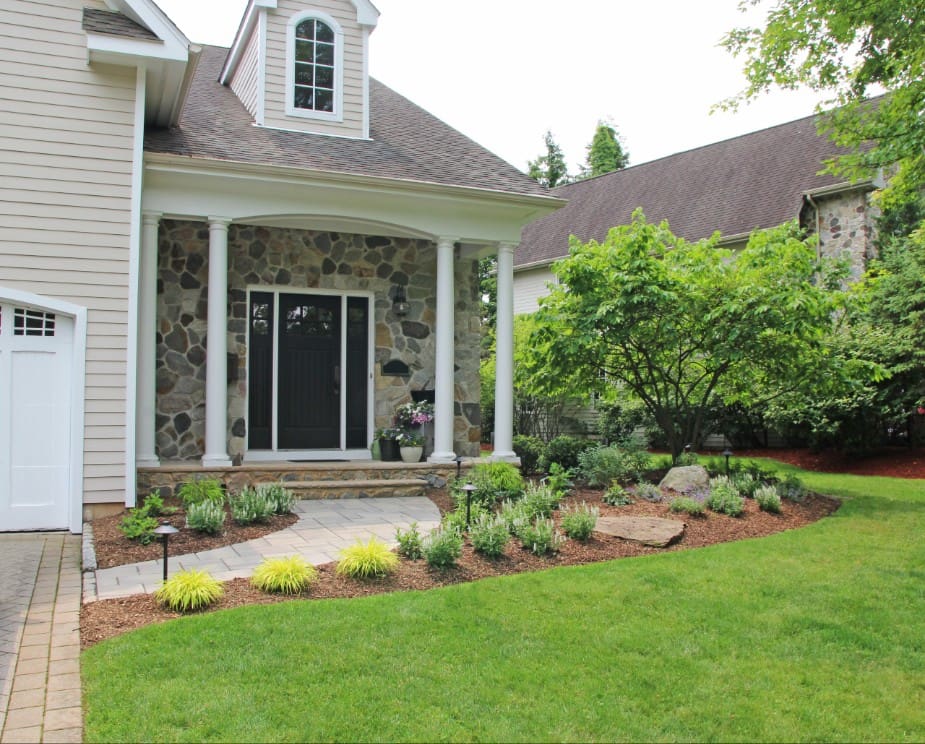
 TL;DR:
This spring landscape mulch installation advice covers when, where, and how to mulch effectively for plant health and visual impact. Learn what type of mulch to use, how thick to apply it, and how to avoid common mistakes.
Need seasonal help? Contact Borst Landscape & Design or call (201) 254-5732.
Expert Spring Landscape Mulch Installation Advice for a Tidy, Thriving Yard This Season and Beyond
Spring landscape mulch installation advice can make the difference between a healthy, vibrant yard and one that struggles all season long. Done properly, mulching keeps soil cool and moist, reduces weed competition, improves appearance, and even feeds the soil over time. Spring is one of the best times to mulch, as it sets your garden up for summer heat and reduces the need for frequent watering or weeding.
Whether you’re preparing planting beds, refreshing around trees, or edging walkways, a proper mulch layer can elevate your entire landscape.
If you’d like assistance with professional installation, Borst Landscape & Design can help. Call 201-254-5732 or contact us here to get started.
What Is Mulch and Why Use It in Spring?
Mulch is a protective layer spread over the surface of soil to help retain moisture, regulate temperature, and suppress weeds. It also gives your yard a well-groomed, finished look.
Spring benefits include:
- Protecting young plant roots from rapid temperature swings
- Reducing early weed growth before summer takes hold
- Holding moisture as rainfall becomes less consistent
- Replenishing organic matter in the soil as mulch breaks down
When to Install Mulch in the Spring
The best time to apply mulch in spring is after the ground has thawed and the soil has begun to warm—usually from late March to early May in New Jersey, depending on weather conditions.
Avoid mulching too early in the season, especially if you’re using organic mulch. It can trap cold moisture in the soil and slow root development.
Tip: Wait until your garden beds are prepped, your perennials have started emerging, and any spring bulbs are done blooming before mulching.
Step-by-Step Spring Mulch Installation Advice
1. Clean and Prepare the Area
- Remove any dead leaves, weeds, or debris from the planting bed
- Prune back dead stems from perennials or ornamental grasses
- Edge the bed if needed to create a crisp border
2. Choose the Right Type of Mulch
There are two main categories of mulch: organic and inorganic.
Organic Mulch Options:
- Shredded hardwood or bark: A classic choice for beds and around trees
- Pine bark or pine needles: Ideal for acid-loving plants
- Compost or leaf mold: Excellent for soil enrichment
- Wood chips: Long-lasting but slower to break down
Inorganic Mulch Options:
- Stone or gravel: Best for pathways or areas with drainage issues
- Rubber mulch: Used in playgrounds or low-maintenance areas
For most spring landscapes, shredded bark or hardwood mulch is preferred for its appearance and soil-conditioning properties.
3. Calculate How Much Mulch You Need
A good rule of thumb is:
- 2–3 inches deep for beds
- 1–2 inches for shallow-rooted plants or dense areas
To calculate coverage:
- 1 cubic yard covers approximately 100 square feet at a 3-inch depth
How to Apply Mulch Correctly
- Spread mulch evenly, keeping the layer consistent across the entire bed
- Avoid piling mulch directly against tree trunks or plant stems—this can trap moisture and lead to rot (this mistake is called “volcano mulching”)
- Use a rake or gloved hands to feather the edges for a smooth, natural look
- Water lightly after installation to help settle the mulch
Common Mulching Mistakes to Avoid
Over-mulching:
Too much mulch can suffocate roots and lead to fungal growth. Stick to the recommended depth of 2–3 inches.
Using mulch as a weed killer:
Mulch suppresses weeds but doesn’t eliminate existing ones. Always weed and clear beds before installing mulch.
Ignoring mulch color and texture:
Dark mulch may heat up more quickly in sunny beds. Lighter colors can reflect heat and work well in brighter or drier areas. Choose mulch that complements your home and landscape design.
Not refreshing annually:
Organic mulch decomposes over time. Refreshing your mulch layer each spring keeps beds healthy and looking sharp.
Where to Use Mulch in Your Landscape
- Around trees and shrubs
- In perennial flower beds
- Along garden pathways
- Beneath hedges or foundation plantings
- Around vegetable gardens (using compost or straw)
Avoid mulching directly over turf or in areas with poor drainage, as it may lead to mold or anaerobic conditions in the soil.
Benefits of Using Mulch Beyond Aesthetics
Soil Health
Organic mulch improves soil structure as it breaks down, encouraging microbial activity and earthworms.
Moisture Retention
Mulch reduces evaporation and keeps soil moisture stable, especially during dry spells.
Weed Control
A properly applied mulch layer blocks sunlight and prevents many weed seeds from germinating.
Erosion Prevention
Mulch helps stabilize soil on slopes or in garden beds prone to runoff during heavy spring rains.
How Often Should You Mulch?
Spring is typically the best time to mulch, but depending on the type and location, you may need to:
- Top off annually if using organic mulch
- Re-edge and fluff the mulch mid-season to freshen its look
- Replenish only where needed if mulch hasn’t broken down much
Well-maintained mulch beds often require only a light refresh instead of full replacement every year.
Final Thoughts
Applying mulch in the spring is one of the easiest, most effective ways to improve your landscape’s health, appearance, and resilience. With the right materials and techniques, your garden beds will look better, perform better, and stay protected through the seasons.
Want help with your spring mulch installation? Contact Borst Landscape & Design or call (201) 254-5732 for expert seasonal landscaping services.
FAQs
What’s the best type of mulch to use in spring?
Shredded hardwood or bark mulch is a great all-purpose choice. It breaks down slowly, improves soil health, and looks attractive in most landscapes.
How thick should I apply mulch in spring?
Apply 2 to 3 inches of mulch in most garden beds. Avoid going thicker, especially near tree trunks or stems.
Can I mulch over old mulch?
Yes—if the previous layer hasn’t compacted or developed mold, you can top it off. Otherwise, remove some of the old mulch first.
Should I mulch before or after planting?
It’s best to plant first and mulch afterward. This allows easier planting and prevents disturbing your mulch layer later on.
Will mulch attract pests?
Properly maintained mulch is unlikely to attract pests. However, overly thick or wet mulch can harbor insects. Use mulch responsibly and avoid piling it near structures.
With a few simple steps and the right advice, mulch can transform your spring landscape from dull and dry to healthy and polished.
For help installing mulch correctly and beautifully, call Borst at 201-254-5732 or contact us online.
