
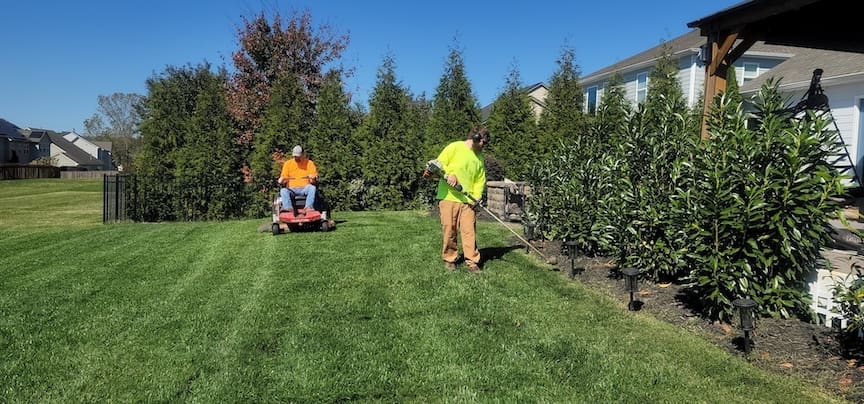
TL;DR: Summer in Northern New Jersey brings heat, humidity, and drought all at once — and without a consistent plan, even a well-tended yard can struggle by August. The summer landscape maintenance tips that matter most come down to a handful of fundamentals: water deeply and less often, mow high with sharp blades, stay ahead of weeds and pests, keep trees and shrubs tidy, and give your outdoor living spaces the attention they deserve.
At Borst Landscape & Design, our expert team can handle as much or as little of this as you’d like. Call (201) 254-5740 or contact us online to put a summer plan in place.
Summer Landscape Maintenance Tips for Homeowners in Bergen County
Summer looks beautiful — but it’s actually the most stressful time of year for plants, lawn, and soil. In Bergen County, July and August routinely bring stretches of 90°F heat with humidity, and the rain can disappear for weeks at a time just when plants are working hardest. Meanwhile, insects and fungal diseases that thrive in warm, wet conditions hit their peak. A yard that coasted through spring on good soil and rainfall will start to show stress by midsummer without a consistent plan.
The good news is that summer landscape maintenance doesn’t require constant effort — it requires the right effort at the right time. Here’s what to focus on.
Here at Borst Landscape & Design, our expert team is ready to help you keep your Bergen County yard looking its best all season. Call us at (201) 254-5740 or contact us online to put a summer maintenance plan in place.
Why Summer Is the Hardest Season on Your Landscape
Heat, drought, humidity, pests, and weeds all converge at once — and the challenge compounds when you’re managing a busy household. Understanding why summer puts your landscape under stress makes it easier to prioritize the right tasks at the right time.
Cool-season grasses, the standard in New Jersey, slow down or go dormant in extreme heat. Established trees and shrubs draw on root reserves. Annual and perennial beds need consistent moisture to keep producing. The yards that come through summer in great shape aren’t necessarily the ones that received the most attention — they’re the ones that received the right attention.
Water Deeply, Not Frequently
Shallow, frequent watering trains grass and plant roots to stay near the surface, where heat and evaporation can reach them. Deep, infrequent watering encourages roots to grow down into cooler, moister soil — and that’s what makes a lawn resilient through a dry stretch.
For most Bergen County lawns:
- Water 1 to 1.5 inches per week total, including rainfall
- Water early in the morning (before 10 a.m.) to minimize evaporation and fungal risk
- Run your irrigation zones for longer sessions fewer times per week rather than short daily bursts
- Let the top inch of soil dry out between waterings
For trees, shrubs, and garden beds, deep root watering is especially valuable during dry spells — it delivers moisture directly to the root zone and reduces the total volume needed. If your irrigation system hasn’t been tuned up this season, now is a good time to check for broken heads, misaligned zones, and outdated schedules.
Mow High and Keep Your Blades Sharp
The most common summer lawn mistake is mowing too short. Scalping your grass removes the leaf tissue it needs to shade its own roots, which stresses the lawn, opens the door for weeds, and accelerates moisture loss during heat waves.
For the cool-season grasses common in New Jersey — tall fescue and Kentucky bluegrass — follow these rules:
- Keep mowing height at 3.5 to 4 inches throughout the summer
- Never remove more than one-third of the blade in a single mow
- Keep mower blades sharp — a dull blade tears grass rather than cutting it cleanly, leaving ragged brown tips that invite disease
- Leave clippings on the lawn; they break down quickly and return nitrogen to the soil
Stay Ahead of Weeds
Weeds compete with your lawn and garden plants for the water and nutrients that are in shortest supply on a hot day. The best approach is consistent early intervention rather than a major push in August when conditions are already against you.
- Spot-treat lawn weeds while they’re small, before they set seed
- Hand-pull weeds in garden beds after watering, when soil is loose enough to get the root
- Apply 2–3 inches of fresh mulch in garden beds to suppress germination and retain moisture
- Avoid pre-emergent applications in midsummer heat — timing matters for efficacy
If weed pressure in beds is a recurring problem, professional garden maintenance can include a seasonal approach tailored to your plantings and soil conditions.
Watch for Pests and Disease Before They Spread
Warm, humid nights are ideal for fungal disease, and soil temperatures in the 70s and 80s bring insect populations to their peak. Catching problems early is far less disruptive than treating a widespread issue in late summer.
Common concerns in Northern New Jersey :
- Grub damage (Japanese beetle larvae) — look for patches of turf that lift away from the soil like loose carpet
- Dollar spot and brown patch — circular tan or brown areas on the lawn, often appearing after humid nights
- Aphids, spider mites, and scale — check the undersides of leaves on ornamentals, especially during dry stretches
- Bagworms and caterpillars on evergreens and shrubs — damage can be severe if left unchecked
If something doesn’t look right, a professional assessment now prevents far larger problems by fall. Tree and shrub care that includes seasonal pest and disease monitoring is the most reliable way to catch these problems before they get out of hand.
Keep Trees, Shrubs, and Hedges in Shape
Summer isn’t the primary pruning season for most plants — significant structural pruning is better done in early spring or late fall. But targeted summer attention keeps your landscape looking its best and prevents minor problems from becoming bigger ones.
- Remove dead, broken, or crossing branches as you notice them
- Shear formal hedges and boxwoods through summer to maintain clean lines
- Deadhead spent blooms on flowering shrubs and perennials to encourage reblooming
- Avoid heavy pruning of anything showing heat stress — it’s a double shock to the plant
For large or mature trees, leave significant pruning to a professional crew with the right equipment. Improper cuts can cause lasting damage, and summer work on stressed trees requires careful attention to timing and technique.
Feed Your Lawn and Garden Beds Strategically
Fertilizing during peak summer heat is one of the most common mistakes homeowners make. A nitrogen push in July can burn stressed grass and trigger a flush of tender growth that’s vulnerable to drought and disease. Timing matters more than quantity.
- Hold off on heavy lawn fertilization during the hottest weeks of July and August
- If your lawn needs a summer feed, choose a slow-release formula at reduced rates
- For garden beds and containers, a balanced fertilizer or compost side-dress in early summer supports steady growth without stress
- Established perennials and shrubs generally don’t need summer feeding if they’re mulched and the soil is healthy
For a more complete picture of seasonal lawn feeding, organic lawn care uses soil-based inputs timed to the growing season — which means better results and a yard that’s safer for kids and pets.
Take Care of Your Outdoor Living Spaces
Summer is when you actually use your yard — and the spaces that see the most use also need the most maintenance. Staying on top of a few things keeps your outdoor living areas looking and functioning well all season.
- Power-wash and reseal natural stone or paver patios to protect against staining and heat expansion
- Check outdoor lighting fixtures after storms; low-voltage wiring can shift or get nicked by mowers
- Inspect retaining walls and edging for any movement from summer rain or soil saturation
- Clean outdoor kitchen surfaces and check gas connections if the kitchen has been idle
- Keep pool surrounds clear of debris and check the landscape around the pool for tripping hazards
If your outdoor living area needs repairs or an upgrade, summer is actually a great time to plan — projects started now can be completed before the fall entertaining season.
When to Bring in a Professional Team
Most homeowners can handle routine mowing, watering, and light weeding. But some summer maintenance genuinely benefits from professional timing, equipment, and knowledge of local conditions — especially pest and disease management, irrigation tuning, pruning large trees, and any hardscape work.
Here at Borst Landscape & Design, our expert team handles summer landscape maintenance for homeowners across Bergen, Morris, and Essex Counties. Whether you want us to manage your full seasonal schedule or just need targeted help with a specific issue, we work as much or as little as you need. Call us at (201) 254-5740 or contact us online to talk through what your yard needs this season.
FAQs About Summer Landscape Maintenance
Q: How often should I water my lawn in summer in New Jersey?
A: Most Bergen County lawns need about 1 to 1.5 inches of water per week. Water deeply two to three times per week in the early morning rather than shallow daily watering. During a heat wave, you may need to increase slightly — pay attention to whether your lawn is bouncing back after foot traffic (a sign of healthy moisture) or staying flat (a sign of stress).
Q: Is it okay to fertilize my lawn in July or August?
A: In most cases, hold off on heavy nitrogen fertilization during peak summer heat. A slow-release formula at reduced rates is the safer option if your lawn genuinely needs a mid-season feed. Fall is the best time for a complete lawn fertilization program in New Jersey.
Q: How high should I mow my lawn in summer?
A: Keep cool-season grasses (tall fescue, Kentucky bluegrass) at 3.5 to 4 inches throughout the summer. This height shades the root zone, reduces moisture loss, and crowds out weed seed germination.
Q: What are the signs of grub damage in my lawn?
A: Brown patches that don’t respond to watering and turf that lifts away from the soil easily (like loose carpet) are classic signs of grub activity. Skunks and raccoons digging up your lawn can also indicate grubs beneath the surface. Early summer is the optimal window for treatment, before grubs grow large.
Q: Can I plant new shrubs or trees in summer?
A: You can, but new plantings require extra watering and care in summer heat. Fall is generally the better planting season in Bergen County because cooler temperatures and more reliable rainfall help roots establish. If summer installation is necessary, a professional can set up an appropriate watering schedule.
Q: Does Borst Landscape & Design offer summer maintenance plans?
A: Yes. Here at Borst Landscape & Design, our expert team offers full-service seasonal maintenance plans covering lawn care, pruning, weeding, irrigation management, pest monitoring, and more. Call (201) 254-5740 or contact us online to get started.
Photo by Michael Smith on Unsplash
