
TL;DR
Fall is a fantastic time to fertilize many plants—especially in climates like northern New Jersey. Lawns, trees and shrubs, perennials, fruit trees/berries, and flowering plants all benefit from a well‑timed fertilizing in autumn. Proper nourishment now helps roots strengthen, plants recover from summer stress, and prepares them for a healthier spring.
Set your garden up for success by learning what plants can be fertilized in the fall in New Jersey.
As the brisk fall breeze sets in, garden enthusiasts might ask what plants can be fertilized in the fall. This time of year offers a unique opportunity to nourish your garden’s greenery, helping it thrive in the upcoming year.
In the Garden State, fall fertilization is an essential practice. This timing allows plants to absorb crucial nutrients before winter’s cold embrace sets in. When properly nourished, your garden will be well-prepared to flourish when spring rolls around again.
Borst Landscape & Design isn’t an ordinary landscaping company – we’re your gardening partners. If you’re wondering what plants can be fertilized in the fall, we have the answers you’re looking for. Our fall fertilization service is tailor-made for New Jersey’s unique climate. Why settle for an ordinary garden when you can have an extraordinary one?
Contact the lawn care experts at Borst by calling (201) 785-9400 or filling out our online form today!
What plants can be fertilized in the fall?
Lawns
Your lawn is the first candidate for fall fertilization. It will benefit greatly from a balanced fertilizer, and strengthening roots during autumn will ensure a healthy, vibrant lawn come spring.
Shrubbery and trees
Trees and shrubs also demand your attention. Applying fertilizer early in the season promotes their vitality and lushness. Fertilizing ornamental shrubs before winter ensures they maintain their color and vigor.
Perennials
Another top contender for fall fertilization is perennials. Feeding them before the first frost helps them maintain their vigor. Bulbs like tulips and daffodils, set to bloom in spring, appreciate fall fertilization to support robust growth. That way, they’ll come back stronger than ever before.
Fruit trees
Apple and cherry trees deserve a nutritious boost during the fall. This helps ensure a bountiful harvest next year. And don’t forget your berry bushes! Blueberries, raspberries, and strawberries are more productive with proper nutrients. You’ll be grateful for it when summer comes back around.
Flowers
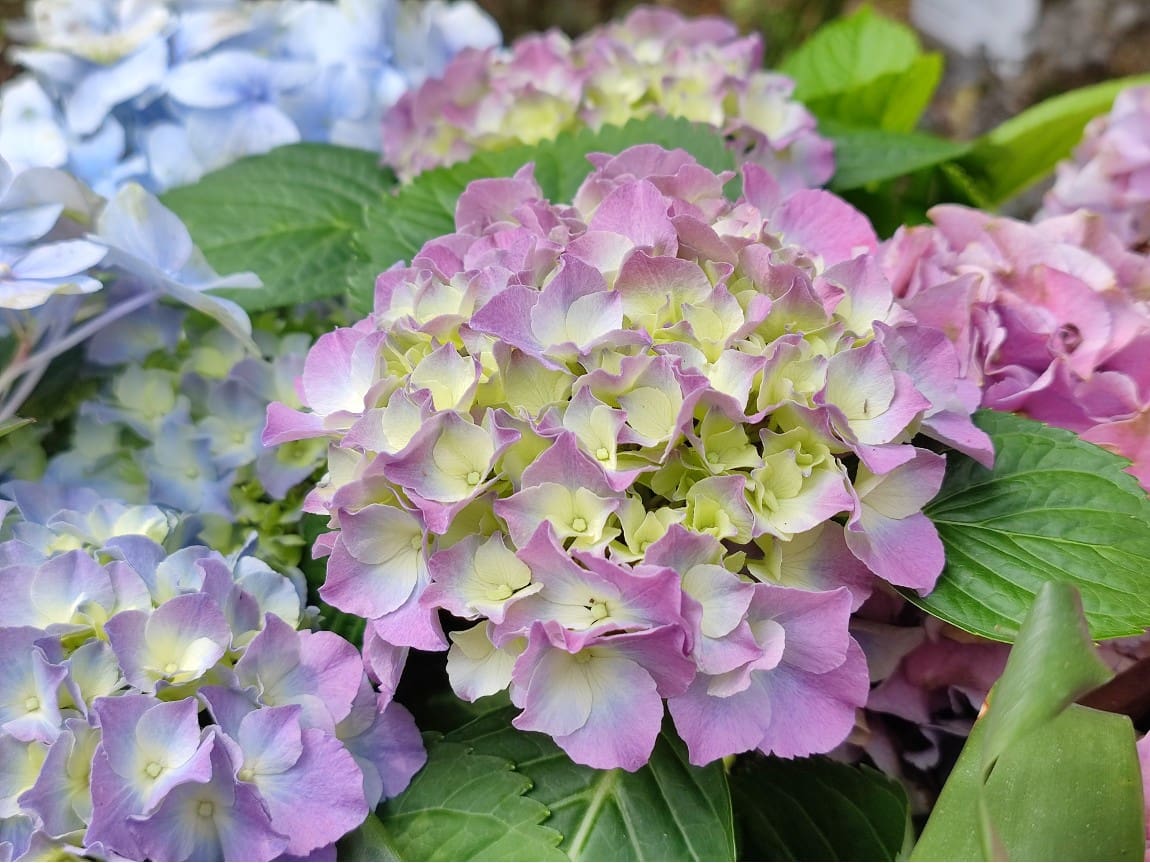
Flowers deserve some love, too! New Jersey’s love for roses is undeniable, and hydrangeas are known for their vibrant blooms. Apply a balanced fertilizer in early fall to help them weather winter and bloom magnificently in spring. Fertilizing in the fall will produce even more stunning displays in warm weather.
What are the benefits of fall fertilization?
Consider fall fertilization as an investment. It allows for a beautiful garden without the rush of the busy spring season. Plus, nutrient-rich plants are less susceptible to diseases, ensuring a healthier garden.
Fall fertilization promotes root development, helping plants better withstand the harsh New Jersey winters. Well-fed plants are better equipped to endure the cold and frost, reducing the risk of damage. Come spring, your plants will burst forth with vitality, producing more vibrant blooms and lush foliage.
Don’t underestimate the power of fall fertilization in New Jersey! Nourishing your garden’s diversity during this season ensures its resilience, vitality, and spectacular beauty in the coming months. So get out there with your fertilizer and give your garden the care it deserves.
Partner with the pros for the best results
With Borst, you can relax knowing that your garden is in the hands of experts who share your passion. We know what plants can be fertilized in the fall, and we’ll assess your garden’s unique needs. From lawns to perennials, fruit trees to ornamental shrubs, we’ve got the solutions you need.
But it’s not just about results. It’s about doing what’s right. Our commitment to organic practices ensures a safer, healthier environment for your family and future generations. Choose Borst for your fall fertilization needs and watch your garden come to life like never before.
Call us at (201) 785-9400, or reach out online to get started!
FAQs
Q1: Which plants can be fertilized in the fall?
A1: The article identifies several categories:
-
Lawns — applying a balanced fertilizer in the fall supports root development.
-
Trees and shrubs — ornamental shrubs and trees benefit from early fall fertilizing to maintain color and vigor.
-
Perennials — feeding them before the first frost helps them come back stronger; spring‑flowering bulbs like tulips and daffodils also benefit.
-
Fruit trees and berry bushes — apples, cherries, blueberries, raspberries and strawberries are mentioned as good candidates for fall nutrition.
-
Flowers/ornamentals — roses, hydrangeas, and other bloomers can get a boost in early fall to support future blooms.
Q2: Why is fall fertilization advantageous?
A2: Several reasons:
-
It helps plants absorb nutrients deep into their roots before the ground freezes or goes dormant.
-
Stronger roots mean better survival through winter and more vigorous growth in spring.
-
Plants that are well‑fed are less vulnerable to disease and stress.
Q3: Are there plant types or times to avoid fertilizing in the fall?
A3: While the article doesn’t explicitly list plants to avoid, general best practices suggest:
-
Avoid fertilizing right before heavy freezes or when plants are fully dormant.
-
Avoid excessive nitrogen late in the season for vulnerable plants (which can cause new growth that may get damaged by frost).
-
Trees/shrubs that are newly planted may need a more conservative approach and guidance from a professional.
Q4: How should homeowners in Bergen/Morris/Essex Counties apply fall fertilization?
A4: Some practical steps:
-
Schedule the application in early fall, before heavy frosts but after the heat of summer subsides.
-
Use the correct type of fertilizer (balanced or as recommended by a soil test) to match plant type and soil conditions.
-
For lawns, ensure mowing is done so the turf is at proper height—then fertilize and water.
-
For large shrubs/trees and fruits/berries, consider hiring a full‑service firm like Borst to assess soil, select the right product, and integrate into an overall maintenance plan.
-
Always follow label instructions and avoid over‑fertilizing.
Q5: Do I need a soil test before fertilizing?
A5: Yes — a soil test (while not always required) is very beneficial. It helps you know your soil’s pH, nutrient levels, and which nutrients (if any) are lacking. This ensures you apply the correct fertilizer and avoid wastage or imbalanced feeding. The article from Borst emphasizes tailored nutrition based on site needs.
Q6: What’s the next step if I want professional help?
A6: If you’d like to ensure your fall fertilization is done effectively, especially for diverse plantings (lawns, shrubs, trees, perennials, fruits) and tailored for northern New Jersey conditions, call Borst Landscape & Design at (201) 785-9400 or visit our Contact page. We can arrange a site inspection, evaluate your soil and plants, and provide a custom plan.
Photo by Cheung Yin on Unsplash