
TL;DR
Spotted Lanternfly (SLF) attacks a wide range of trees, shrubs and vines—but especially ones with high‑sugar sap. Favorite hosts include Tree of Heaven (Ailanthus altissima), grapevines, stone fruits (peaches & plums), cherries, apples, walnuts and willows.
If you live in Bergen, Morris or Essex County and want to protect your trees, early detection plus professional help are key. Contact Borst Landscape & Design to schedule a free consultation.
Here’s the scoop on what trees are affected by spotted lanternfly – and what you can do about it!
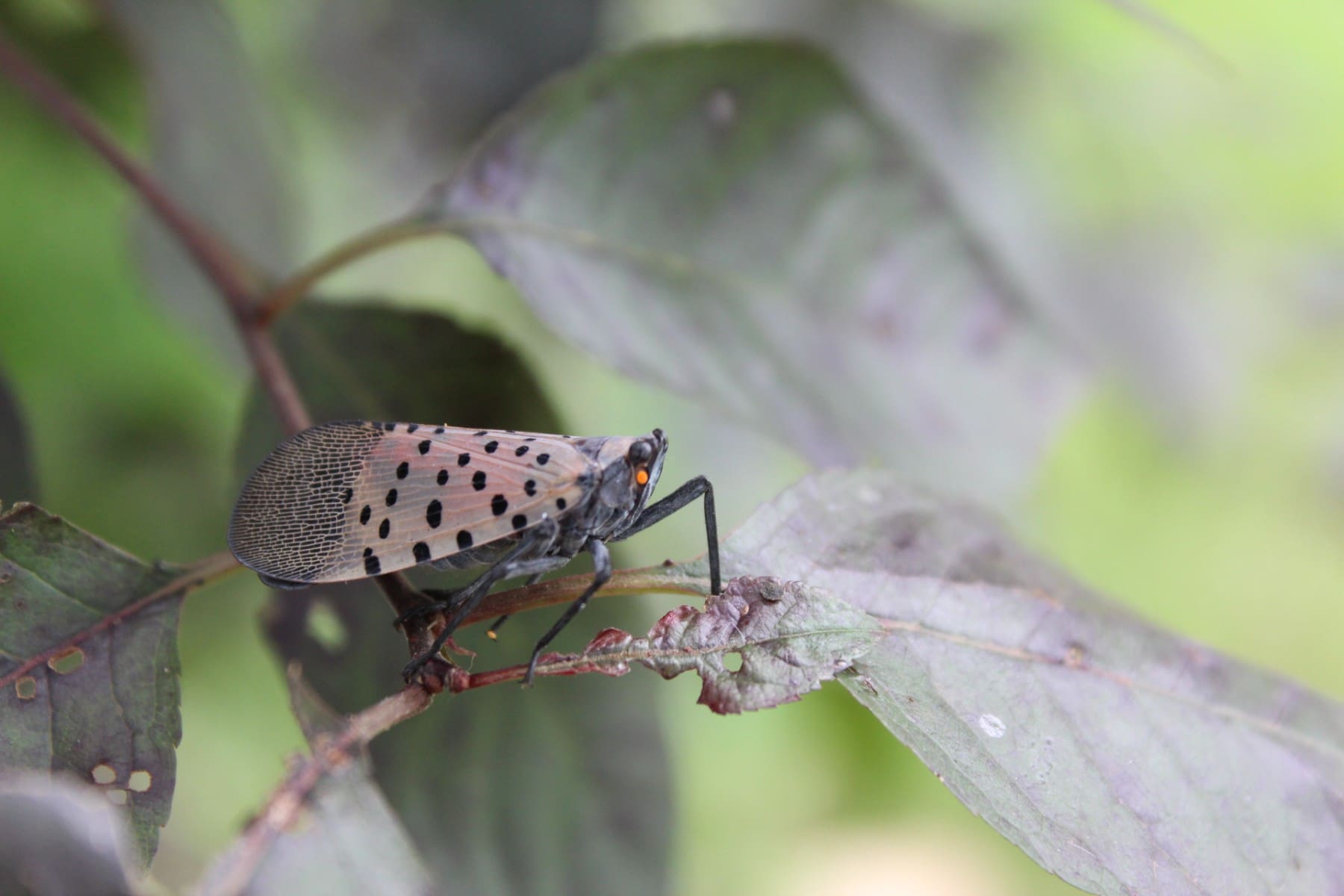
Over the past year or so, you may have heard a considerable commotion about the tiniest of bugs: the Spotted Lanternfly. This invasive pest feeds on the sap of trees, shrubs, and vines, wreaking havoc on plant populations throughout the country. If you live in an area affected by this infestation, it’s essential to learn what trees are affected by spotted lanternfly and how to protect them.
Borst Landscape & Design is the Bergen County landscape service that protects your family through premium organic pest management. Our environmentally friendly treatments and specialized approach offer practical solutions to keep your yard safe, healthy, and worry-free.
For your free consultation, call Borst (201) 785-9400 or fill out a contact form on our website.
How does the Spotted Lanternfly hurt trees?
Host trees susceptible to spotted lanternfly can host all stages of their life, from egg to adult. As the population of these invasive insects increases, so does the damage to trees.
Lanternflies feed on sap from the stems and leaves of trees. This weakens them and reduces their ability to photosynthesize. When they feed, these insects also secrete a sticky substance known as honeydew, which attracts other insects to the area.
How can you tell if your trees are infested?
Before considering what trees are affected by spotted lanternfly, it’s worth learning how to tell if you’re facing a spotted lanternfly problem. The first sign that you may have an infestation is if your trees are dripping sap where the pests have been feeding.
Another clue is that the insect’s excrement can coat the host plant, which leads to a sooty mold growing on the infested area. While it’s not harmful to humans, this mold can damage your trees further by reducing their ability to photosynthesize.
What trees are affected by Spotted Lanternfly?
The Lanternfly does not attack all types of trees. However, since the invasive insects are relative newcomers to New Jersey, the list of host trees will likely get longer. The trees mentioned below are favorites due to the high nutrition levels present in their abundant sap. This sugary sap is a favorite snack for bugs, and the tree’s foliage is also an attractive spot for laying eggs.
A list of what trees are affected by spotted lanternfly include grapevines, hops, and stone fruits such as peaches and plums. They also prefer many nursery and ornamental plants such as roses, cherries, black walnut, almond, apple, willow, and birch.
What can you do to protect your trees?
Educating yourself on what trees are affected by spotted lanternfly is a solid first step. But now you’re probably wondering what you can do to protect your property from an infestation.
The first line of resistance against the spotted lanternfly is to plant trees native to your area. They will be naturally resistant to these pests. It’s also a worthwhile investment to remove any tree of heaven within a one-mile radius of your property.
It’s a universal truth that a healthy landscape is significantly more resistant to disease and infestation. Vigorous trees are better able to defend themselves, and rich soil creates an inhospitable environment for insects looking for free rent.
You’ll want to regularly inspect your trees for any signs of eggs and nymphs. Keeping the areas around your trees clean and free of debris can go a long way toward preventing an infestation. You can also install sticky traps, typically sold in garden stores. However, it’s best to put a wire or mesh cage around the tree to prevent other animals, like birds, from getting caught.
At Borst Landscape and Design, we have over 30 years of experience protecting your property with our practical, eco-friendly treatments. We also offer premium pest control services to keep your yard green, healthy, and free from pesky pests.
To learn more about our pest control services, call Borst at (201) 785-9400, or reach out online today for your free consultation!
FAQs
Q1: Which tree species are most affected by the Spotted Lanternfly?
A1: The insect targets trees with abundant sap and foliage. Notable affected species are:
-
Tree of Heaven (Ailanthus altissima) — SLF’s top host. Borst Landscape & Design+1
-
Fruit trees like apples, peaches, plums and cherries.
-
Walnut, willow and birch among ornamental/nursery species.
-
Grapevines (while not a “tree”, they’re major hosts and relevant in the landscape).
Q2: Why does the Lanternfly prefer those trees?
A2: Because these trees:
-
Produce high‑sugar sap, making them attractive as a food source.
-
Have bark or structure suitable for egg masses, enabling SLF to complete its life cycle in‑place.
Q3: What damage do these trees suffer when infested?
A3: Damage includes:
-
Sap‑feeding weakens trees, reducing their ability to photosynthesize and making them vulnerable to diseases.
-
Sticky “honeydew” excretions attract other insects and lead to sooty mold, which further inhibits leaf function.
-
Heavy infestations can stress trees over time, reduce vigor and in severe cases contribute to decline.
Q4: Can trees outside these preferred species also be attacked?
A4: Yes. While SLF has preferred hosts, its host list is broad. The article notes that the list of affected trees may continue to grow as the invasion expands.
Q5: What proactive steps can a homeowner take in the Bergen/Morris/Union County area?
A5: Recommended actions:
-
Regularly inspect trees—especially the listed species—for signs of SLF egg masses, nymphs or adult clusters.
-
Remove or treat Tree of Heaven in your proximity if present (since it’s a major vector).
-
Engage a trusted local landscaping/pest‑control provider (like us) to assess your trees and implement organic or integrated pest‑management strategies.
-
Keep your landscape healthy: robust trees resist pests better than stressed ones.
Q6: Should I call a professional or can I handle this myself?
A6: While homeowners can do basic monitoring/removal of egg masses, a professional is advisable because:
-
They have access to effective treatments (including organic tools) geared for your location.
-
They can evaluate the risk to trees on your property and advise on site‑specific strategy (good for busy homeowners in our service area).
-
SLF is an invasive species subject to regulations in NJ; a professional can ensure you follow best practices for control and reporting.
Source: Penn State Extension
Image: Magi Kern @Unsplash