
TL;DR:
Paver patio ideas offer endless possibilities for creating a durable, low-maintenance outdoor space. From modern layouts to rustic designs, this guide explores layouts, materials, and features to inspire your next patio project.
Need help designing your patio?Contact Borst Landscape & Designor call (201) 254-5732.
Paver Patio Ideas That Combine Style, Durability, and Function for the Perfect Backyard Retreat
Paver patio ideas are one of the most popular ways to upgrade outdoor living spaces, offering a balance of beauty, durability, and flexibility. Unlike poured concrete, pavers come in a wide range of shapes, colors, and textures, allowing homeowners to create customized designs that complement their home and lifestyle.
Whether you’re envisioning a cozy seating area, a space for entertaining, or a multi-level outdoor retreat, pavers provide the foundation for a long-lasting and visually appealing patio.
If you’re considering a patio projectand want expert guidance on layout and materials, Borst Landscape & Designcan help. Call 201-254-5732 orcontact us hereto start planning.
Popular Paver Patio Design Styles
Modern Minimalist
Clean lines, large-format pavers, and neutral tones define modern patio design. Think gray or charcoal pavers arranged in geometric patterns with minimal joints.
Best features:
- Sleek furniture
- Simple plantings
- Integrated lighting
Rustic and Natural
For a more organic feel, use irregular-shaped pavers or natural stone that mimics the look of a woodland path or countryside patio.
Best features:
- Warm earth tones
- Mixed textures
- Lush plant borders
Traditional Patterned
Classic layouts like herringbone, basketweave, or running bond create timeless appeal. These patterns add visual interest without overwhelming the space.
Best features:
- Brick-style pavers
- Defined borders
- Symmetrical layouts
Multi-Level Patios
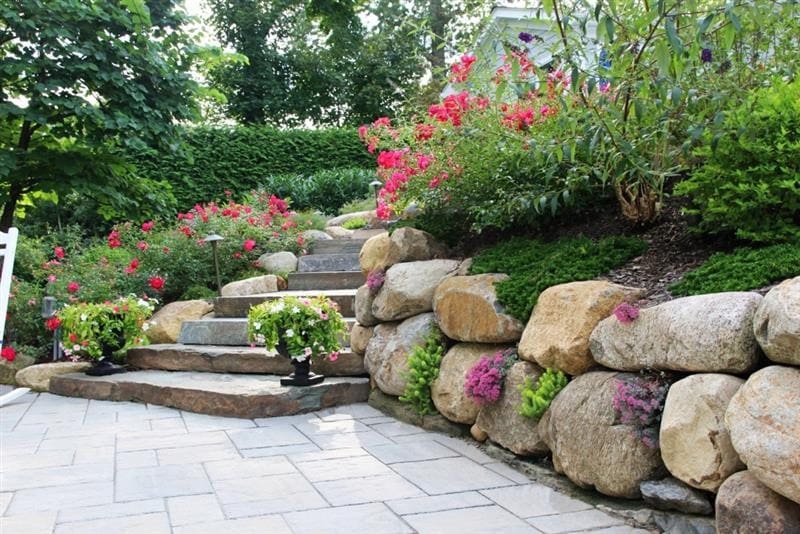
If your yard has a slope, tiered patios can create separate zones for dining, lounging, or entertaining.
Best features:
- Retaining walls
- Built-in seating
- Step transitions between levels
Layout Ideas for Every Backyard
1. Dining-Centered Patio
Design your patio around a central dining table. Allow enough space for chairs and movement—typically at least 10×10 feet.
2. Lounge and Fire Pit Area
Create a cozy seating area with a fire pitas the focal point. Circular or semi-circular paver layouts work especially well here.
3. Outdoor Kitchen Patio
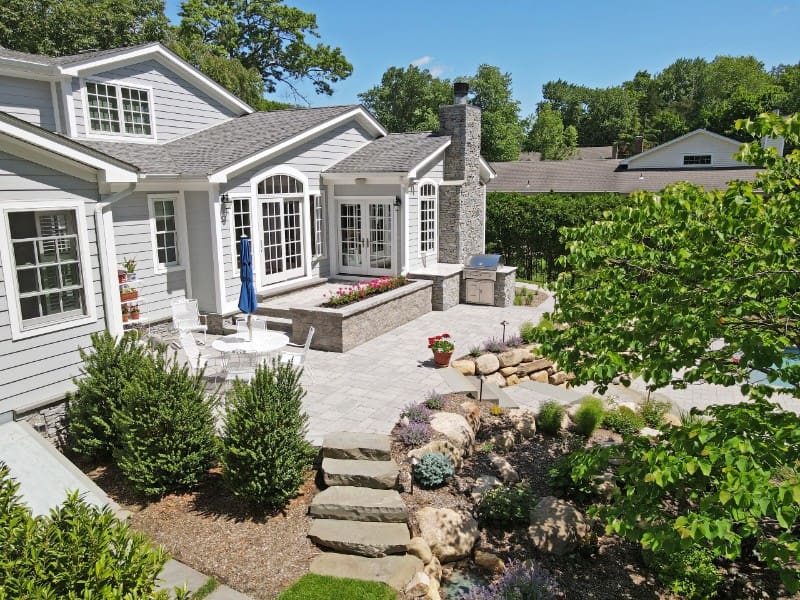
Incorporate a grill, prep space, and even a bar area. Use durable pavers that can withstand heat and foot traffic.
4. Small Patio Solutions
Even compact spaces can shine with smart paver patio ideas:
- Use diagonal patterns to make the space feel larger
- Choose lighter-colored pavers to reflect light
- Add vertical elements like planters or trellises
Choosing the Right Pavers
Material Options
- Concrete pavers:Affordable, versatile, and available in many styles
- Brick pavers:Classic and durable with a warm appearance
- Natural stone:Premium option with unique textures and colors
Color Considerations
- Match your home’s exterior tones for cohesion
- Use contrasting borders to define the space
- Consider heat absorption—darker pavers retain more heat in summer
Texture and Finish
- Smooth finishes for modern looks
- Tumbled or textured surfaces for rustic appeal
- Non-slip finishes for safety around pools or wet areas
Enhance Your Patio with Built-In Features
Fire Features
Fire pits or fireplacescreate a natural gathering spot and extend patio use into cooler months.
Seating Walls
Built-in seating saves space and adds structure to your design.
Lighting
Incorporate:
- Path lights
- Step lights
- Under-cap lighting on walls
Lightingimproves safety and creates ambiance.
Water Features
Fountains or small waterfallscan add a calming element to your patio design.
Integrating Landscaping with Your Patio
Great paver patio ideas don’t stop at the hardscape—they blend seamlessly with surrounding landscaping.
Ideas to consider:
- Border the patio with perennials or ornamental grasses
- Use raised beds for added dimension
- Add trees for natural shade
- Incorporate planters to soften edges
A well-integrated design makes your patio feel like a natural extension of your yard.
Maintenance Tips for Long-Lasting Results
One of the biggest advantages of pavers is their low maintenance, but proper care ensures longevity:
- Sweep regularly to remove debris
- Refill joint sand as needed
- Seal pavers to protect against stains and weather
- Power wash occasionally to maintain appearance
If a paver becomes damaged, it can be replaced individually—unlike concrete slabs.
Common Mistakes to Avoid
Skipping a proper base:
A strong foundation of compacted gravel and sand is critical for preventing shifting and settling.
Poor drainage planning:
Ensure water flows away from your home and patio surface.
Overcrowding the space:
Leave enough room for movement and functionality.
Ignoring scale:
Choose paver sizes that fit your space—large pavers may overwhelm smaller patios.
Budget Considerations
Paver patio costs vary based on:
- Material type
- Size of the patio
- Complexity of design
- Labor and installation
While natural stone is more expensive upfront, it offers unmatched durability and aesthetic appeal. Concrete pavers provide a cost-effective alternative with plenty of design flexibility.
Bring Your Paver Patio Ideas to Life
Paver patio ideas offer a versatile and durable way to transform your outdoor space into something truly special. Whether you prefer a modern, rustic, or traditional design, the right combination of layout, materials, and features can create a patio that enhances both your lifestyle and your home’s value.
With thoughtful planning and attention to detail, your patio can become the centerpiece of your outdoor living experience—perfect for relaxing, entertaining, and enjoying every season.
Ready to turn your paver patio ideas into reality? Call Borst Landscape & Design at 201-254-5732 orcontact us onlineto get started.
FAQs
What are the best paver patio ideas for small backyards?
Use lighter colors, simple patterns, and multi-functional furniture. Diagonal layouts and vertical elements can make small spaces feel larger.
How long do paver patios last?
With proper installation and maintenance, paver patios can last 25–50 years or more.
Are pavers better than concrete for patios?
Pavers are more flexible and less prone to cracking. They also offer more design options and are easier to repair.
Do paver patios require sealing?
Sealing is optional but recommended to protect against stains, enhance color, and extend lifespan.
Can I install a paver patio myself?
DIY installation is possible for smaller projects, but professional installation ensures proper base preparation, drainage, and long-term durability.
A well-designed patio starts with the right ideas—now is the perfect time to bring yours to life.