
TL;DR:
Understanding the landscape design and build process helps you go from inspiration to finished outdoor space with confidence. This step‑by‑step journey includes an initial consultation, conceptual design, material selection, permitting, construction, planting, final walkthrough, and ongoing care — all handled by one integrated team for seamless communication and superior results.
Ready to start your custom landscape project with experts who manage everything from concept to completion? Call (201) 254‑5732 or visit our contact page to schedule your consultation today!
Understand the Landscape Design and Build Process to Bring Your Outdoor Vision to Life Smoothly and Efficiently
Creating a beautiful, functional outdoor space requires more than just good ideas—it requires a plan and a streamlined approach. The landscape design and build process provides a comprehensive path from concept to completion, ensuring that every element of your landscape is thoughtfully planned and professionally executed. Whether you’re envisioning a tranquil backyard retreat, a new patio and outdoor kitchen, or a complete property transformation, understanding how this process works can help you move forward with clarity and confidence.
If you’re ready to begin your landscaping journey and want expert guidance from start to finish, Borst Landscape & Design offers full-service design and build solutions in Bergen County and beyond. Call (201) 254‑5732 to schedule your consultation.
What Is the Landscape Design and Build Process?
At its core, the landscape design and build process is a collaborative approach that brings together the creativity of design with the precision of construction. Unlike working with multiple contractors, this integrated model ensures that the same team handles your project from the initial design consultation through installation. This reduces miscommunication, avoids project delays, and results in a more cohesive, customized landscape.
Rather than patching together various services, you benefit from a unified vision—one that considers your property holistically, including aesthetics, functionality, sustainability, and long-term care.
Phase 1: Initial Consultation and Site Assessment
The first step in the landscape design and build process is the initial meeting. During this stage, a landscape designer visits your property to understand your goals, preferences, and how you use your outdoor space. They’ll take note of existing site conditions such as:
- Soil type and drainage
- Sun and shade patterns
- Property lines and elevation
- Existing trees and structures
This is your opportunity to share your wish list—perhaps you want a shaded seating area, a fire pit, better privacy, or more kid-friendly features. The designer will also ask about budget, timeline, and any special requirements you may have.
Phase 2: Conceptual Design and Planning
Based on your input and the site analysis, the design team creates a conceptual plan that lays out the general design direction. This may include:
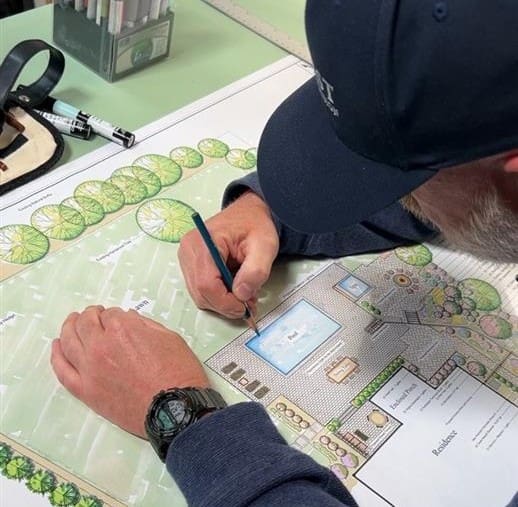
- A scaled site plan or sketch
- Preliminary layout of hardscape features
- Conceptual plant groupings
- Optional 3D renderings or mood boards
The goal at this stage is to make sure you and the designer are aligned on the overall vision. Revisions are common, and this is the time to refine elements like materials, layout, and style before moving into detailed planning.
Phase 3: Final Design and Material Selection
Once the concept is approved, the plan becomes more detailed. The final design includes precise construction drawings, plant selection, lighting plans, irrigation layout, and any structural considerations. This step ensures that your project can be implemented exactly as envisioned.
Material selection is also finalized here. From paver styles and colors to mulch, stone, and lighting fixtures, you’ll have the opportunity to review samples and make decisions that suit your taste and the local climate.
This phase also includes the final cost estimate and scope of work. Because the same team will handle the build phase, you can trust that the design will be accurately priced and feasible to construct.
Phase 4: Permitting and Scheduling
If your landscape design requires permits—such as for retaining walls, fencing, electrical work, or drainage adjustments—the design-build team handles that process on your behalf. This ensures compliance with local regulations and eliminates the guesswork.
At the same time, your project is scheduled for construction based on weather conditions, subcontractor availability (if any), and project size. A timeline is shared with you so you know what to expect at each stage of the build.
Phase 5: Site Preparation and Demolition
Once construction begins, the first step is preparing the site. This often includes:
- Demolition of old patios, walkways, or overgrown plantings
- Grading the site for proper drainage
- Marking out utilities and key construction zones
- Bringing in base materials for hardscaping
Proper site preparation is critical to the long-term success of the landscape. Poor grading or rushed demolition can cause issues down the road—like water pooling, soil erosion, or unstable paver surfaces.
Phase 6: Hardscape and Structure Installation
Next comes the installation of your landscape’s structural elements. This might include:
- Patios, decks, and walkways
- Retaining walls or steps
- Fire pits, outdoor kitchens, or pergolas
- Fences and lighting systems
Because these elements form the backbone of your landscape, they are installed with precision and engineered to last. Drainage solutions and irrigation lines are also added at this stage, ensuring that the landscape will function properly and require less maintenance long-term.
Phase 7: Planting and Softscape Installation
Once the structural elements are complete, the softscaping phase begins. This includes:
- Installing trees, shrubs, perennials, and groundcovers
- Spreading mulch and soil amendments
- Laying sod or seeding lawns
- Planting seasonal color or container arrangements
Your planting plan is implemented carefully, with attention to spacing, soil requirements, and sunlight needs. This ensures that your plants will thrive and look great for years to come.
Phase 8: Final Walkthrough and Clean-Up
After the installation is complete, the design-build team performs a thorough walk-through with you to ensure every detail meets expectations. Any adjustments or touch-ups are made, and you’ll receive guidance on:
- Watering and maintenance
- Warranty information
- Future enhancements or seasonal care
The site is cleaned and left in pristine condition—ready for you to enjoy your new outdoor space immediately.
Phase 9: Ongoing Maintenance and Care
Though the installation may be complete, your landscape is a living system that will continue to evolve over time. Many homeowners choose to continue working with their landscape team for ongoing maintenance services such as:
- Pruning and plant care
- Seasonal cleanups
- Lawn care and fertilization
- Irrigation adjustments
Keeping the same team involved ensures your landscape continues to reflect the original design intent, while adapting to seasonal and growth changes.
The Value of an Integrated Approach
One of the biggest advantages of the landscape design and build process is the seamless communication between designers, builders, and clients. Because everything is handled by one team, you don’t have to coordinate between a separate designer, contractor, and subcontractors.
This results in:
- Fewer delays and scheduling conflicts
- Clearer expectations and budget tracking
- Designs that are actually buildable
- A more efficient and enjoyable client experience
Ready to Start the Process?
The landscape design and build process is your roadmap to a beautiful, functional outdoor space that reflects your lifestyle, complements your home, and adds long-term value. Whether you’re dreaming of a major backyard renovation or a front yard refresh, working with an experienced design-build firm can turn your vision into a reality—without the stress of managing every detail yourself.
If you’re considering a new landscape project and want a professional team that handles everything from concept to completion, call (201) 254‑5732 or contact Borst Landscape & Design. We’ll guide you through every phase of the process and help bring your outdoor space to life.
FAQs — Landscape Design and Build Process
What is the landscape design and build process?
It’s a comprehensive approach combining creative design and professional construction in one workflow — from your first idea through final installation and follow‑up care.
How long does the process usually take?
Timelines vary based on project complexity, permitting needs, and season, but clear scheduling and communication from the design‑build team help keep your project on track.
Do I need permits for my project?
Some landscape features — such as walls, fences, lighting, or drainage work — may require permits. A full‑service design‑build team handles these permits for you.
Will I be involved in design decisions?
Absolutely — the process starts with understanding your goals, and you’ll review plans, materials, and layouts before construction begins.
What happens after installation?
After construction, you’ll have a walkthrough and guidance on care, with the option to continue maintenance services to keep your landscape looking great.